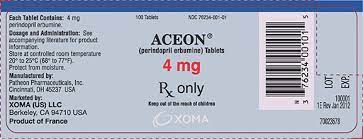
Aceon is the brand name for the medication Perindopril. It is a prescription medication that is used to treat high blood pressure and prevent heart attacks, strokes, and kidney problems. In this article, we will explore the uses, benefits, side effects, and warnings associated with Aceon.
Uses
Aceon belongs to a class of medications called angiotensin-converting enzyme (ACE) inhibitors. It works by relaxing the blood vessels, which makes it easier for the heart to pump blood through the body. This medication is prescribed to treat high blood pressure, also known as hypertension. High blood pressure is a condition where the force of blood against the walls of your arteries is too high. This can cause damage to the blood vessels, heart, and other organs in the body.
Aceon is also prescribed to prevent heart attacks, strokes, and kidney problems in people with diabetes who have protein in their urine. It can also be used to treat heart failure, a condition where the heart is unable to pump enough blood to meet the body’s needs.
Benefits
The main benefit of Aceon is that it helps to lower blood pressure. High blood pressure can lead to serious health problems, such as heart attack, stroke, and kidney failure. By reducing blood pressure, Aceon can help to prevent these complications.
Aceon can also help to reduce the risk of heart attacks, strokes, and kidney problems in people with diabetes who have protein in their urine. This is an important benefit, as these complications can be life-threatening.
Finally, Aceon can help to improve heart function in people with heart failure. Heart failure is a serious condition that can reduce a person’s quality of life and lead to hospitalization or death. By improving heart function, Aceon can help people with heart failure to feel better and live longer.
Side Effects
Like all medications, Aceon can cause side effects. The most common side effects of Aceon are dizziness, lightheadedness, and low blood pressure. These side effects usually go away on their own as your body adjusts to the medication.
Less common side effects of Aceon include:
– Headache
– Cough
– Upset stomach
– Back pain
– Diarrhea
If you experience any of these side effects and they are severe or persistent, you should contact your doctor.
Rare but serious side effects of Aceon include:
– Allergic reactions
– Angioedema (swelling of the face, lips, tongue, or throat)
– Liver problems
– Low blood sugar (in people with diabetes)
– Kidney failure
If you experience any of these side effects, you should seek medical attention immediately.
Warnings
Aceon should not be used during pregnancy, as it can harm the developing fetus. If you become pregnant while taking Aceon, you should stop taking the medication and contact your doctor as soon as possible.
Aceon can interact with other medications and supplements, so it is important to tell your doctor about all medications and supplements you are taking before starting Aceon. In particular, you should not take Aceon with potassium supplements or potassium-sparing diuretics, as this can cause high levels of potassium in the blood.
If you have kidney disease, liver disease, or a history of angioedema, you should use Aceon with caution, as it can worsen these conditions. You should also use caution if you have low blood pressure, as Aceon can cause further drops in blood pressure.
FAQs
It can take several weeks for Aceon to reach its full effect in treating high blood pressure.
You should avoid alcohol while taking Aceon, as it can increase the side effects of the medication.
You can take Aceon with or without food.
Aceon will not cure high blood pressure, but it can help to manage it and reduce the risk of complications.
If you miss a dose of Aceon, take it as soon as you remember. If it is close to the time for your next dose, skip the missed dose and take your next dose at the regular time. Do not take a double dose to make up for a missed one.






 is an ACE inhibitor for high blood pressure and heart protection. Review its uses, dosage, side effects and warnings.)