A clean home is often associated with comfort, organization and appearance. However, cleanliness alone does not always protect a property from unwanted pests. Cockroaches, rodents, ants, termites and other insects can enter even well-maintained homes in search of food, moisture and shelter.
For Sydney households dealing with recurring pest activity, arranging professional pest control in Sydney can help address the source of the problem rather than simply treating the pests that are visible.
Pest management is not only about protecting the structure of a property. It can also play an important role in maintaining a cleaner and healthier living environment.
Pests Can Affect More Than Your Property
Many household pests are mainly viewed as an inconvenience. In reality, some pests can contaminate food preparation areas, damage belongings and create conditions that may affect the comfort of people living in the home.
Cockroaches, for example, frequently move through drains, rubbish areas and other contaminated environments before entering kitchens and cupboards. Rodents can also travel through wall cavities, roof spaces and storage areas, leaving droppings and damaging packaging along the way.
Pest activity may result in:
- Contaminated food and surfaces
- Damage to electrical wiring
- Unpleasant smells
- Droppings in cupboards or storage spaces
- Increased allergens within the home
- Disturbed sleep caused by noises in walls or ceilings
- Structural damage caused by termites or timber pests
Families with young children, pets or household members with allergies may be especially concerned about keeping pest activity under control.
Why DIY Treatments Often Provide Only Temporary Relief
Supermarket sprays, traps and baits may kill individual pests, but they do not always eliminate the underlying infestation.
A visible cockroach may be only one of many hiding behind appliances or inside cabinetry. Similarly, placing a mouse trap in one area may not identify where rodents are entering the property or whether they have established a nesting area.
DIY pest treatments commonly focus on what can be seen. Professional pest control instead considers the conditions allowing the problem to continue.
These may include:
- Cracks around doors and windows
- Gaps surrounding plumbing pipes
- Moisture beneath sinks
- Unsealed roof or wall openings
- Food residue behind appliances
- Overgrown vegetation close to the building
- Pet food left outside
- Damaged vents or screens
By finding the entry points and nesting areas, pest controllers can provide a more targeted solution.
Pest Control Should Begin with a Thorough Inspection
A reliable pest treatment begins with understanding the extent and cause of the infestation.
During an inspection, a pest control technician may assess kitchens, bathrooms, roof cavities, garages, subfloors, gardens and exterior walls. They may also look for droppings, nesting material, damaged timber, moisture and possible access points.
The treatment method can then be selected based on the pest species, the size of the infestation and the layout of the property.
This is important because different pests require different approaches. Ants, for example, may require a baiting strategy that reaches the colony, while rodents may require a combination of traps, monitoring and entry-point recommendations.
Responsible Treatments for Homes and Families
Many homeowners understandably want to know what products will be used inside their property.
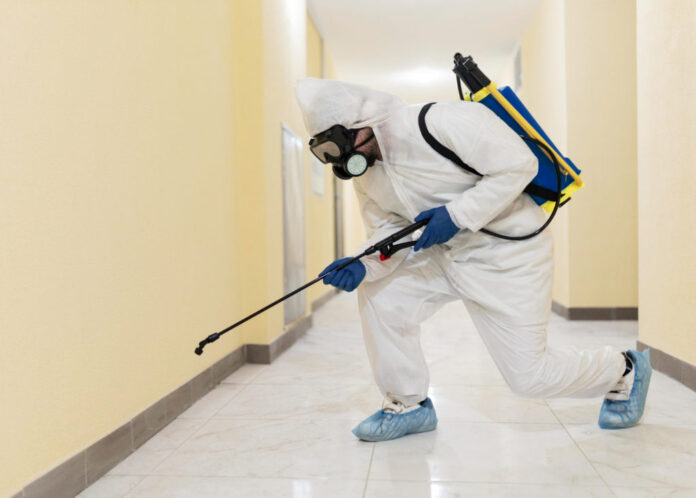
A professional pest controller should explain the recommended treatment, the areas being treated and any precautions that need to be followed. This may include temporarily keeping children or pets away from certain areas, allowing products to dry or removing food from exposed surfaces.
Modern pest management often uses targeted applications rather than unnecessarily spraying every area of the home. Treatments may include gels, baits, monitoring stations, dusts or controlled applications in cracks and concealed spaces.
Choosing an experienced Sydney pest control company can also help ensure treatments are selected according to the pest problem and the conditions of the property.
Prevention Is an Important Part of Pest Management
Professional treatment can remove or reduce an existing infestation, but household habits also play a major role in preventing pests from returning.
Homeowners and tenants can reduce pest-friendly conditions by:
- Storing food in sealed containers
- Cleaning crumbs and spills promptly
- Emptying rubbish bins regularly
- Repairing dripping taps and leaking pipes
- Avoiding standing water around the property
- Sealing gaps around windows, doors and pipes
- Keeping gardens trimmed away from exterior walls
- Storing firewood away from the building
- Checking cardboard boxes before bringing them indoors
- Keeping pet food covered when it is not being used
Regular cleaning is helpful, but prevention also requires reducing entry points and sources of moisture.
When Should You Contact a Pest Controller?
Occasionally seeing a single insect does not always indicate a major infestation. However, repeated sightings or certain warning signs should not be ignored.
Consider contacting a pest professional when you notice:
- Cockroaches appearing during the day
- Rodent droppings or scratching sounds
- Ant trails returning after cleaning
- Unusual damage to timber
- Mud tubes around walls or foundations
- Small holes appearing in food packaging
- Strong or unexplained odours
- Pest activity spreading through several rooms
- Bites or skin irritation occurring overnight
Early intervention can often make the problem easier to control. It may also prevent pests from spreading into roof spaces, wall cavities or neighbouring areas.
Creating a Healthier and More Comfortable Home
Pest control should be viewed as part of maintaining a safe, clean and comfortable property. While professional treatments can address active infestations, the best long-term results usually come from combining treatment with practical prevention.
Routine inspections, improved hygiene, moisture control and sealing potential entry points can all reduce the likelihood of future pest activity.
By addressing problems early and using a treatment plan suited to the specific pest, Sydney households can protect both their property and the wellbeing of the people living inside it.