To choose the right skincare treatment, first identify your skin type (dry, oily, combination, normal or sensitive) and your main concern (such as acne, pigmentation, fine lines or dullness), then pick the gentlest treatment that targets that concern, ideally after an in-person skin assessment. The best treatment is rarely the most intense one; it is the one your skin tolerates well and that you can repeat consistently. You might also like Popular Skin Renewal Treatments for Clients in Vancouver.
This guide explains how to work out your skin type, which professional treatments suit which needs, what a good consultation looks like, how to adjust for seasons, and the mistakes that most often lead to irritation.
Step 1: Identify Your Skin Type
A simple at-home check: wash your face with a gentle cleanser, pat dry, apply nothing, and look at your skin after about an hour.
| Skin type | What you notice | What it usually needs |
|---|---|---|
| Dry | Feels tight, may look flaky or rough | Barrier repair, hydration, gentle cleansing |
| Oily | Shiny all over, visible pores, prone to breakouts | Oil control without stripping, non-comedogenic products |
| Combination | Oily T-zone (forehead, nose, chin), normal or dry cheeks | Balanced care, sometimes different products for different zones |
| Normal | Comfortable, not shiny or tight | Maintenance and sun protection |
| Sensitive | Stings, itches or reddens easily | Fragrance-free, minimal products, patch testing |
Skin type can shift with age, hormones, climate and medications, so it is worth reassessing every so often. The American Academy of Dermatology has practical guidance on skin care basics, including how to care for each skin type.
Step 2: Name Your Main Concern
Your skin type tells you how to care for your skin. Your concern tells you what to treat. Common concerns include:
- Breakouts and clogged pores
- Dark spots, sun damage or melasma
- Fine lines and loss of firmness
- Acne scars and uneven texture
- Redness and flushing
- Dehydration and dullness
Pick one or two priorities. Trying to fix everything at once usually means combining too many active ingredients or treatments, which is a common cause of irritation.
Step 3: Match the Treatment to Your Needs
Here is an overview of common professional treatments and who they tend to suit. Availability, names and techniques vary between spas and clinics.
Hydrating and classic facials
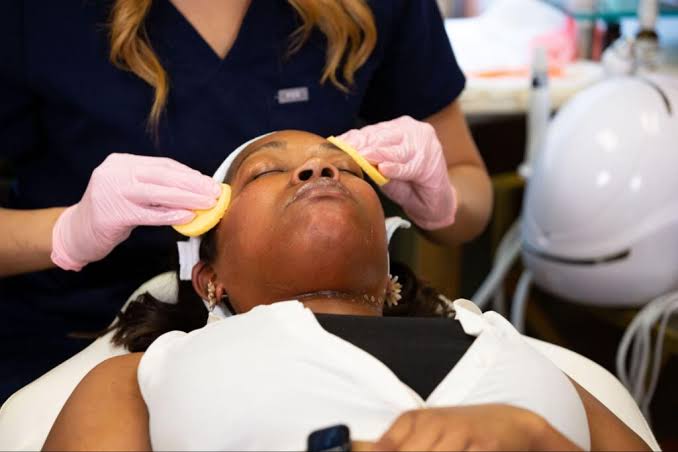
Cleansing, gentle exfoliation, extractions where appropriate, and masks or serums. A good starting point for most skin types, especially dry, dull or dehydrated skin. Low risk and little to no downtime.
Chemical peels
An acid solution exfoliates the outer layers of skin. Superficial peels can help with dullness, mild pigmentation and clogged pores; deeper peels address more significant damage but carry more risk and downtime and should be performed by experienced medical professionals. People with darker skin tones should see a provider experienced with their skin, since some peels raise the risk of pigment changes.
Microdermabrasion
Mechanical exfoliation that smooths the surface. Useful for mild texture and dullness; not ideal for active inflamed acne or very sensitive skin.
Microneedling
Fine needles create tiny controlled injuries that encourage collagen production. Often used for acne scars and texture. Usually needs a series of sessions and causes some redness for a few days.
Light and laser treatments
Used for pigmentation, redness, visible vessels and some signs of aging. Results and risks depend heavily on the device, settings and your skin tone, so these should be done by trained professionals after a careful assessment.
| Main concern | Gentler options to start | More intensive options |
|---|---|---|
| Dullness, dehydration | Hydrating facial | Superficial peel |
| Clogged pores, mild breakouts | Deep-cleansing facial | Superficial peel |
| Pigmentation | Brightening facial, daily sunscreen | Peels, certain lasers |
| Acne scars, texture | Microdermabrasion | Microneedling, laser resurfacing |
| Fine lines | Hydrating facial, retinoid at home | Microneedling, resurfacing treatments |
| Redness, sensitivity | Calming facial, minimal routine | Medical assessment first |
Step 4: Book a Proper Consultation
A good esthetician or skin professional should ask questions before recommending anything. Expect them to look at your skin closely and ask about:
- Your current routine and any active ingredients (retinoids, acids, benzoyl peroxide)
- Medications, including acne medications such as isotretinoin, which can make skin fragile
- Allergies, cold sores, recent sun exposure and skin conditions such as rosacea or eczema
- Past treatments and how your skin reacted
- Your goals, budget and how much downtime you can manage
Questions to ask the provider
- Why do you recommend this treatment for my skin specifically?
- How many sessions will I likely need, and how far apart?
- What side effects are normal, and how long do they last?
- What should I stop using before and after the treatment?
- What results are realistic for me?
Many spas list their services online so you can read about options before your appointment. For instance, if you are in the area served by Utopia Spa Center, you can browse Utopia Spa Center Luxury Treatments to see the facials and skin services offered, then bring your questions to the consultation. Wherever you go, a provider who suggests starting gently and building up is usually a good sign.
Step 5: Adjust for the Seasons
Skin often behaves differently through the year:
- Winter: indoor heating and cold air tend to increase dryness and sensitivity. Hydrating treatments and richer moisturizers often help.
- Summer: heat and humidity can increase oil and breakouts, and sun exposure raises the risk of pigmentation, particularly after peels or lasers.
Many providers prefer to schedule stronger resurfacing treatments in cooler months, when it is easier to avoid sun exposure during healing.
Step 6: Support Results at Home
Professional treatments work best alongside a simple, consistent routine:
- Cleanse gently once or twice a day.
- Moisturize with a product suited to your skin type.
- Use a broad-spectrum sunscreen of SPF 30 or higher every day.
- Introduce one new active product at a time, and patch test first.
- Follow aftercare instructions closely, especially after peels and microneedling.
Practical details help too. Arriving calm, on time and without makeup makes the appointment smoother, so plan your route in advance; Utopia Spa Center, for example, shares its location on Google Maps through this link for clients who want directions before their visit.
Common Mistakes to Avoid
- Booking the most aggressive treatment first.
- Using retinoids or exfoliating acids right before or after a peel or microneedling without guidance.
- Skipping sunscreen after treatment.
- Changing products constantly, which makes it hard to tell what is working.
- Following social media trends that were designed for a different skin type.
When to See a Professional
See a board-certified dermatologist rather than a spa if you have persistent or painful acne, acne that is scarring, rosacea, eczema, sudden changes in your skin, or a mole or spot that is new, changing, bleeding or itching. After any treatment, contact your provider if you develop blistering, signs of infection, severe swelling, or redness that worsens instead of settling.
Frequently Asked Questions
How do I know my skin type?
Wash your face with a gentle cleanser, apply nothing, and check after about an hour. Tight and flaky suggests dry, shiny suggests oily, an oily T-zone with drier cheeks suggests combination, and easy stinging or redness suggests sensitive.
What is the best facial for sensitive skin?
A gentle, fragrance-free hydrating or calming facial is usually the safest start. Avoid strong peels or heavy exfoliation until a professional has assessed your skin.
How often should I get a professional facial?
It depends on the treatment and your goals. Many people book a basic facial every four to six weeks, while treatments like peels or microneedling are usually done as a planned series.
Can I combine different skin treatments?
Sometimes, but combining treatments raises the risk of irritation. Let your provider plan the order and spacing, and tell them about every active product you use at home.
Do I need sunscreen after a skin treatment?
Yes. Many treatments make skin more sensitive to the sun. Daily broad-spectrum sunscreen helps protect your results and lowers the risk of dark spots.