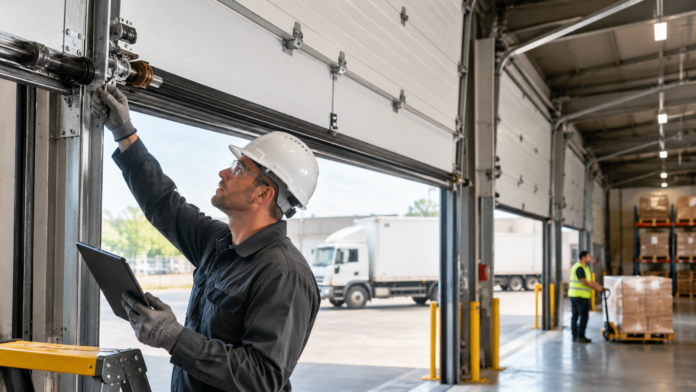
Commercial garage doors play an important role in the daily operation of warehouses, auto shops, distribution centers, storage facilities, agricultural buildings, and other businesses. They provide access for employees, customers, vehicles, equipment, deliveries, and inventory. When one of these doors stops working, even a minor mechanical issue can interrupt the entire workflow.
For businesses in Moses Lake, WA, regular commercial garage door maintenance is one of the most effective ways to avoid unexpected interruptions. Routine inspections allow worn components to be identified before they fail, while timely adjustments help the door continue operating safely and efficiently.
Preventive maintenance does require planning and modest investment, but the cost is often much lower than the expense of emergency repairs, delayed deliveries, lost productivity, or damaged inventory. A dependable garage door supports the business every day, making regular care an important part of facility management.
Preventive Maintenance Identifies Problems Early
Most commercial garage door failures do not happen without warning. Components often show signs of wear before they stop working completely.
The door may begin opening more slowly, moving unevenly, shaking, or making unusual sounds. Rollers may become worn, cables can start to fray, and hardware may loosen from repeated movement. Springs can also weaken after thousands of operating cycles.
During a maintenance visit, a trained technician can inspect these parts and identify developing problems. Replacing one worn roller or adjusting a loose component is usually faster and less expensive than repairing a door that has come off its tracks.
Early detection also allows the business to schedule repairs during a convenient time instead of reacting to an unexpected failure during busy operating hours.
Reliable Doors Keep Deliveries on Schedule
Many businesses depend on commercial garage doors for incoming and outgoing deliveries. A door that becomes stuck closed can prevent trucks from reaching a loading area, while a door stuck open may create security and weather-related concerns.
Delivery delays can affect suppliers, customers, drivers, and employees. If goods cannot be received or shipped on time, the interruption may spread through several parts of the operation.
Regular maintenance helps keep tracks aligned, rollers moving smoothly, and openers responding correctly. It also reduces the likelihood of a spring, cable, or motor failure occurring when the loading area is needed most.
A reliable door allows deliveries to continue according to schedule and helps employees avoid unnecessary waiting.
Maintenance Reduces the Risk of Sudden Spring Failure
Commercial garage doors are often larger and heavier than residential doors. Their springs must support substantial weight and may complete many cycles each day.
Over time, repeated use weakens the metal. A spring may eventually break, leaving the door too heavy to open normally. This can trap vehicles, block equipment, or make an important entrance unusable.
A technician can inspect springs for corrosion, separation, stretching, or other visible signs of deterioration. Spring tension and door balance can also be tested to determine whether the system is placing unnecessary strain on the opener.
Spring work should always be performed by a trained professional because these components operate under high tension. Preventive replacement can be scheduled before a complete failure disrupts the business.
Proper Balance Protects the Door Opener
A commercial garage door opener is designed to guide a balanced door. It should not have to lift the door’s entire weight without help from the spring system.
When a door becomes unbalanced, the opener may work harder during every cycle. The motor can overheat, internal gears may wear prematurely, and the chain, belt, or drive system can experience additional strain.
Warning signs include slow movement, humming, jerking, delayed response, or repeated stopping. These symptoms may appear to be opener problems, but the underlying cause may be weak springs or mechanical resistance elsewhere in the system.
Routine maintenance includes checking the door’s balance and movement. Correcting balance issues helps protect the opener and reduces the chance of an expensive motor failure.
Regular Service Improves Workplace Safety
A damaged commercial garage door can create serious safety concerns for employees, customers, drivers, and visitors. Loose cables, broken springs, damaged tracks, or unstable panels may cause the door to move unpredictably.
A door that closes too quickly or fails to reverse may strike a person, vehicle, forklift, or piece of equipment. An uneven door can also become jammed or fall if a supporting component fails.
Maintenance helps confirm that safety sensors, edge sensors, reversal systems, controls, and emergency features work properly. Technicians can also inspect cables, brackets, rollers, hinges, and tracks for visible damage.
Businesses that notice unsafe movement or recurring operational problems may need Commercial Garage Door Repair to restore dependable access and reduce the risk of further damage.
Keeping the system in safe working condition supports both productivity and responsible facility management.
Smooth Operation Saves Employee Time
A slow or unreliable garage door can waste more employee time than many business owners realize. Workers may need to wait for the door to open, reset the opener, manually operate the system, or find another entrance.
These small delays add up when the door is used repeatedly throughout the day. They can slow loading, unloading, vehicle movement, equipment transfers, and customer service.
Regular lubrication, alignment, hardware adjustments, and component replacement help the door operate more smoothly. Employees can then complete routine tasks without unnecessary interruptions.
A dependable system also reduces the need for staff members to troubleshoot mechanical problems they are not trained to handle.
Maintenance Helps Prevent Track and Roller Damage
Tracks and rollers guide the garage door through each opening and closing cycle. When they are clean, aligned, and in good condition, the door should move smoothly.
Worn rollers may crack, flatten, or stop turning correctly. Damaged tracks can create resistance or cause the door to shake. Loose brackets may allow the tracks to move out of position.
If these problems are ignored, rollers may leave the tracks and cause the door to hang unevenly. This can damage panels, cables, hinges, and other supporting hardware.
A maintenance inspection can identify wear before the door becomes unstable. Cleaning the tracks, replacing damaged rollers, and securing loose hardware can help prevent a larger and more disruptive repair.
Weather Seals Protect the Facility
Commercial garage door seals help block rain, dust, pests, wind, and outside air. They also help protect inventory, equipment, and indoor working conditions.
In Moses Lake, dust, seasonal temperature changes, wind, and moisture can affect the condition of seals and other exterior components. Bottom seals may become flattened or cracked, while side seals can loosen or pull away from the frame.
Damaged seals may allow water to enter near stored goods or electrical equipment. Gaps can also make climate-controlled areas harder and more expensive to manage.
Routine maintenance includes checking the condition of the weather seals and confirming that the door closes evenly. Replacing worn seals can improve protection without requiring a major repair.
Scheduled Maintenance Is Easier Than Emergency Repair
An unexpected breakdown can happen during the busiest part of the day. The business may need to stop work, redirect traffic, delay customers, or wait for emergency service.
Scheduled maintenance is much easier to manage. The visit can be arranged during a quieter period, after business hours, or at another convenient time.
If the technician identifies a component that needs replacement, the business can plan the repair around operations. Parts can be ordered in advance, employees can be informed, and access can be temporarily redirected.
This level of planning helps the business maintain control instead of reacting to a sudden mechanical failure.
Maintenance Supports Security
A commercial garage door is often one of the largest access points in a facility. If it does not close completely, lock properly, or respond to controls, the building may be left vulnerable.
Misaligned tracks, damaged panels, faulty openers, and worn hardware can create gaps or prevent the door from securing correctly. A door stuck open after hours may expose tools, vehicles, inventory, and equipment.
Regular service helps confirm that the door closes firmly and that access controls work as intended. Technicians can inspect locks, openers, remotes, keypads, and other security-related components.
Addressing these problems early helps prevent security concerns from becoming costly business losses.
Well-Maintained Doors Last Longer
Commercial garage doors represent a significant investment. Replacing the entire system can be expensive, especially when the door is large, customized, insulated, or connected to specialized operating equipment.
Regular maintenance helps extend the life of the door by reducing friction, preventing uneven movement, and replacing worn components before they damage surrounding parts.
Springs, rollers, cables, hinges, openers, and seals will eventually wear out, but timely care can help the panels, tracks, and structural components remain in service longer.
Keeping maintenance records also makes it easier to track repairs, monitor recurring issues, and plan for eventual replacement.
Different Businesses Need Different Maintenance Schedules
The appropriate maintenance schedule depends on how the door is used. A warehouse door that completes dozens of cycles every day may need attention more often than a storage facility door opened only a few times each week.
Door size, age, environment, construction, and operating speed can also affect maintenance needs. Facilities exposed to dust, moisture, temperature changes, or heavy vehicle traffic may require more frequent inspections.
Businesses should work with a technician to create a schedule based on actual use rather than waiting for a fixed period to pass. High-use doors may benefit from routine cycle tracking and more frequent professional evaluation.
Employees Should Report Warning Signs
Facility managers cannot always observe every commercial garage door throughout the day. Employees who use the doors regularly may be the first to notice a change.
Workers should be encouraged to report grinding, scraping, rattling, slow movement, uneven operation, damaged seals, or delayed controls. They should also report visible cable wear or a door that no longer closes evenly.
Employees should not attempt to adjust springs, cables, tracks, or high-tension hardware. Their role should be to stop using an unsafe door and notify the appropriate manager.
Clear reporting procedures allow maintenance concerns to be addressed before they cause significant downtime.
Professional Inspections Cover the Complete System
A commercial garage door is more than a collection of individual parts. Each component affects how the others perform.
A professional inspection may include the springs, cables, drums, rollers, tracks, hinges, brackets, panels, seals, opener, controls, sensors, and safety reversal system. The technician can also test balance, operating speed, closing position, and unusual resistance.
Evaluating the complete system is important because the most visible symptom may not be the original cause. A struggling opener may be affected by weak springs, while track damage may have started with a worn roller.
A complete inspection helps prevent repeated repairs and supports more reliable long-term performance.
Key Takeaways
Regular commercial garage door maintenance reduces downtime by identifying worn parts before they fail, protecting the opener, improving workplace safety, and keeping deliveries moving.
Scheduled inspections also support security, extend equipment life, and allow businesses to plan repairs around normal operations instead of responding to an unexpected breakdown.