Introduction
A glioma tumor is one of the most common types of brain tumors, originating in the glial cells that support, protect, and nourish neurons within the central nervous system. Although these tumors account for a large proportion of primary brain cancers, their characteristics can vary significantly depending on the type of glial cell involved, the tumor’s location, and its rate of growth. Some gliomas develop slowly over several years, while others progress aggressively and require immediate medical attention.
The impact of a glioma extends far beyond the diagnosis itself. Depending on where the tumor develops, patients may experience changes in memory, speech, movement, vision, personality, or cognitive function. Since many Brain Tumors Symptoms resemble common neurological or age-related conditions, diagnosis is sometimes delayed until the disease has progressed. This highlights the importance of recognizing early warning signs and seeking timely medical evaluation whenever persistent neurological symptoms occur.
Advances in neuro-oncology have transformed the diagnosis and management of brain tumors over the past decade. High-resolution imaging, molecular profiling, precision surgery, targeted therapies, and multidisciplinary rehabilitation have all contributed to more personalized patient care. While treatment remains challenging for many forms of glioma, ongoing research continues to improve survival outcomes and quality of life for patients worldwide.
This article explores everything you should know about glioma tumor, including its causes, symptoms, diagnosis, treatment options, and the recovery process. Understanding these aspects can help patients and caregivers make informed healthcare decisions while navigating an often complex medical journey.
What Is a Glioma Tumor?
A glioma tumor is a type of tumor that develops from glial cells, the specialized cells responsible for supporting and protecting nerve cells throughout the brain and spinal cord. Unlike neurons, which transmit electrical signals, glial cells maintain the environment necessary for healthy brain function by providing structural support, nutrients, and protection against injury.
Gliomas are classified as primary brain tumors, meaning they originate within the brain rather than spreading from another part of the body. They are further categorized according to the specific glial cell from which they arise. The most common types include astrocytomas, oligodendrogliomas, and ependymomas, each with distinct biological characteristics and treatment considerations.
Doctors also classify gliomas according to the World Health Organization (WHO) grading system. Low-grade gliomas generally grow slowly and may remain stable for years with careful monitoring, whereas high-grade gliomas grow rapidly and often require aggressive treatment involving surgery, radiation therapy, and chemotherapy. Glioblastoma, for example, represents the most aggressive form of glioma and requires prompt multidisciplinary management.
The location of a brain glioma plays an equally important role in determining symptoms. Tumors affecting the frontal lobe may alter personality, decision-making, or behavior, while those located within the temporal lobe can interfere with speech, hearing, and memory. Gliomas involving the cerebellum may affect balance and coordination, whereas tumors developing near the optic pathways can cause progressive vision problems.
Because every glioma behaves differently, treatment planning depends not only on tumor size but also on its molecular characteristics, growth pattern, and relationship to surrounding brain tissue. This individualized approach has become increasingly important as researchers continue discovering genetic markers that influence prognosis and response to therapy.
What Causes a Glioma?
Despite decades of research, scientists have not identified a single definitive cause of glioma. Instead, current evidence suggests that these tumors develop through a combination of genetic alterations, environmental influences, and spontaneous cellular mutations that occur over time.
One of the most widely accepted explanations involves changes in the DNA of glial cells. These mutations disrupt the normal processes that regulate cell growth and division, allowing abnormal cells to multiply uncontrollably and eventually form a tumor. In many cases, these mutations occur randomly without any identifiable external trigger.
Age is considered one of the most significant risk factors. Although gliomas can develop at almost any stage of life, the likelihood generally increases with advancing age, particularly for aggressive forms such as glioblastoma. Certain inherited genetic disorders, including Li-Fraumeni syndrome and neurofibromatosis, may also increase the risk, although hereditary gliomas remain relatively uncommon.
Exposure to high-dose ionizing radiation is another established risk factor. Individuals who have previously received radiation therapy to the head for unrelated medical conditions may have a slightly increased lifetime risk of developing a glioma. However, everyday exposure to mobile phones, household electronics, or routine diagnostic imaging has not been conclusively proven to cause these tumors according to current scientific evidence.
Researchers are also investigating whether chronic inflammation, immune system changes, occupational exposures, and environmental factors may contribute to tumor development. While these areas remain under active study, no single lifestyle factor has been consistently identified as a direct cause of glioma.
Understanding what causes glioma continues to be one of the most important areas of neuro-oncology research. As scientists gain deeper insights into the genetic and molecular mechanisms driving these tumors, future advances may lead to earlier detection, more targeted treatments, and improved outcomes for patients diagnosed with glioma tumor.
Common Glioma Brain Tumor Symptoms
One of the greatest challenges in diagnosing a glioma brain tumor is that its symptoms often develop gradually and may resemble common neurological disorders. The warning signs largely depend on the tumor’s size, growth rate, and location within the brain. Some people notice only mild changes initially, while others experience symptoms that progress rapidly over weeks or months.
Persistent headaches are among the most frequently reported Brain Tumors Symptoms. Unlike ordinary headaches, they often become more severe over time, occur more frequently during the morning, or worsen when coughing, bending over, or performing activities that increase pressure inside the skull. Although headaches alone rarely indicate a brain tumor, persistent headaches accompanied by other neurological symptoms should always be evaluated by a healthcare professional.
Seizures are another common symptom, particularly in adults who have never experienced epilepsy before. Depending on which part of the brain is affected, seizures may involve muscle jerking, unusual sensations, brief episodes of staring, confusion, or temporary loss of consciousness. In many cases, an unexplained seizure becomes the first indication that imaging of the brain is necessary.
Cognitive changes can also develop as the tumor grows. Patients may experience memory loss, difficulty concentrating, slower thinking, confusion, or challenges performing routine daily tasks. Tumors involving the frontal lobe may alter judgment, personality, or emotional control, sometimes causing family members to notice behavioral changes before the patient recognizes them.
Other common Glioma Symptoms include blurred or double vision, hearing difficulties, speech problems, weakness affecting one side of the body, numbness, poor coordination, balance problems, dizziness, and persistent fatigue. Depending on the location of the tumor, symptoms may appear gradually or suddenly worsen as swelling around the tumor increases.
It is important to remember that these symptoms are not unique to gliomas and may result from several other neurological conditions. However, persistent or progressive neurological changes should never be ignored, as early diagnosis significantly improves treatment planning and may help preserve neurological function.
How Is a Brain Glioma Diagnosed?
Diagnosing a brain glioma involves much more than identifying an abnormal area on a brain scan. Modern neuro-oncology combines advanced imaging, laboratory analysis, and molecular testing to accurately classify the tumor and determine the most appropriate treatment strategy.
The diagnostic process usually begins with a detailed neurological examination. Physicians evaluate memory, coordination, speech, muscle strength, reflexes, vision, and cognitive function to identify which areas of the brain may be affected. These findings help determine which imaging studies are most appropriate.
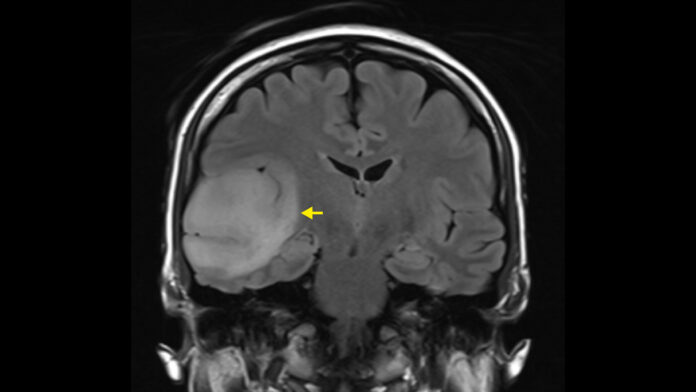
Magnetic Resonance Imaging (MRI) remains the gold standard for evaluating suspected brain tumors. High-resolution MRI provides detailed images that help specialists determine the tumor’s size, location, relationship to surrounding brain structures, and potential involvement of critical neurological pathways. In many cases, contrast-enhanced MRI offers additional information about tumor activity and blood supply.
Computed Tomography (CT) scans may also be performed, particularly in emergency situations where rapid assessment is required. However, MRI generally provides superior detail for evaluating gliomas and planning treatment.
A definitive diagnosis usually requires a biopsy or surgical removal of tumor tissue. Pathologists examine the tissue under a microscope to identify the tumor type and determine its WHO grade. Today, molecular testing has become equally important. Genetic markers such as IDH mutation, MGMT promoter methylation, and 1p/19q codeletion provide valuable information about prognosis and help physicians select the most appropriate treatment options.
Modern diagnostic techniques have made Glioma Diagnosis and Recovery more personalized than ever before. Instead of relying solely on tumor appearance, clinicians now combine imaging findings with molecular biology to create individualized treatment plans that aim to maximize effectiveness while preserving neurological function.
Glioma vs Glioblastoma: What’s the Difference?
Many people use the terms glioma and glioblastoma interchangeably, but they are not the same. Understanding this distinction is important because it influences both treatment planning and prognosis.
A glioma is a broad category of tumors that develop from glial cells within the brain or spinal cord. This group includes several tumor types, such as astrocytomas, oligodendrogliomas, and ependymomas, which may range from slow-growing, low-grade tumors to highly aggressive cancers.
Glioblastoma, on the other hand, is the most aggressive form of astrocytoma and is classified as a Grade IV glioma by the World Health Organization. It grows rapidly, infiltrates surrounding brain tissue, and often requires immediate treatment involving surgery, radiation therapy, and chemotherapy.
While every glioblastoma is a glioma, not every glioma is a glioblastoma. Many lower-grade gliomas progress much more slowly and may be successfully managed for extended periods through careful monitoring and individualized treatment strategies.
Because advances in molecular genetics continue to reshape brain tumor classification, specialists increasingly rely on both histological findings and genetic markers rather than tumor appearance alone when developing treatment recommendations.
Current Treatment Options for Glioma Tumors
Treatment for a glioma tumor depends on multiple factors, including the tumor’s grade, molecular characteristics, location, size, and the patient’s overall health. Most treatment plans are developed by a multidisciplinary team that includes neurosurgeons, neuro-oncologists, radiation oncologists, neuroradiologists, rehabilitation specialists, and supportive care professionals.
Surgery is often the first step whenever the tumor can be safely removed. The primary goal is to remove as much abnormal tissue as possible while protecting essential areas of the brain responsible for movement, speech, memory, and other critical functions. In many cases, advanced technologies such as neuronavigation, intraoperative MRI, and awake brain mapping help surgeons achieve more precise tumor removal.
Following surgery, additional treatments may be recommended based on the tumor’s pathology and molecular profile. Radiation therapy is commonly used to destroy remaining tumor cells, while chemotherapy may help slow tumor progression and reduce the risk of recurrence. For selected patients, targeted therapies, immunotherapy, or participation in clinical trials may also be considered as research continues to expand treatment options.
Although modern therapies have improved survival and disease management, treatment can also produce side effects such as fatigue, memory difficulties, hormonal changes, reduced concentration, and emotional stress. For this reason, successful management extends beyond controlling tumor growth and includes rehabilitation, supportive care, and long-term monitoring to help patients maintain the best possible quality of life.
Glioma Recovery: What Patients Should Expect
Recovering from a glioma tumor is often a gradual process that extends well beyond the completion of surgery, radiation therapy, or chemotherapy. Recovery is influenced by several factors, including the tumor’s location, its biological characteristics, the type of treatment received, and the patient’s overall health before diagnosis. While some individuals return to their normal routines within a few months, others may require long-term rehabilitation to regain physical, cognitive, and emotional function.
Fatigue is one of the most common challenges reported after treatment. Unlike ordinary tiredness, treatment-related fatigue can persist for weeks or months and may affect concentration, productivity, and daily activities. Cognitive changes such as memory lapses, slower information processing, difficulty focusing, or reduced problem-solving ability are also experienced by many patients during recovery. These symptoms often improve with time, rehabilitation, and ongoing medical support.
Physical rehabilitation is an important part of recovery for individuals who experience weakness, balance problems, or impaired coordination. Physiotherapists, occupational therapists, and speech-language pathologists work together to help patients regain mobility, improve communication skills, and restore independence in everyday activities. Psychological support is equally valuable, as anxiety, depression, and uncertainty about the future commonly affect both patients and their families after a brain tumor diagnosis.
Regular follow-up appointments remain essential throughout Glioma Diagnosis and Recovery. MRI scans and neurological assessments help doctors evaluate treatment response, monitor for recurrence, and identify any new neurological changes that require prompt attention. Long-term monitoring allows healthcare teams to adjust treatment plans while supporting patients throughout every stage of recovery.
Lifestyle Changes That Support Neurological Recovery
Medical treatment remains the foundation of glioma management, but healthy lifestyle habits can also contribute to overall well-being during recovery. While these measures cannot cure a glioma tumor, they may help patients manage treatment-related side effects, improve energy levels, and support neurological health.
Nutrition plays an important role in recovery. A balanced diet containing vegetables, fruits, whole grains, lean proteins, and healthy fats provides essential nutrients needed for tissue repair and immune function. Staying adequately hydrated and limiting highly processed foods may also support overall health during treatment and rehabilitation.
Regular physical activity, when recommended by a healthcare professional, can improve muscle strength, reduce fatigue, enhance cardiovascular fitness, and positively influence mental health. Even light activities such as walking, stretching, or supervised rehabilitation exercises can make a meaningful difference during recovery.
Quality sleep is another critical factor. The brain performs many restorative functions during sleep, including memory consolidation and tissue repair. Establishing consistent sleep routines, reducing screen time before bedtime, and following medical advice for sleep-related problems may improve both physical and cognitive recovery.
Emotional well-being should not be overlooked. Meditation, mindfulness practices, counseling, patient support groups, and family involvement can help individuals cope with the emotional challenges associated with living with Brain Tumors. Maintaining open communication with healthcare providers ensures that new symptoms or concerns are addressed promptly.
Can Integrative Care Complement Conventional Treatment?
The management of a glioma tumor has become increasingly multidisciplinary, with growing recognition that supportive care should accompany conventional medical treatment throughout the patient’s journey. While surgery, radiation therapy, and chemotherapy remain the primary evidence-based treatments, many healthcare professionals also encourage rehabilitation, nutritional guidance, psychological support, and other complementary strategies that focus on improving quality of life.
Integrative care aims to address the physical, emotional, and functional challenges that patients may experience during and after treatment. Approaches such as physiotherapy, cognitive rehabilitation, stress management, dietary counseling, and supervised wellness programs may help individuals maintain independence while adapting to the long-term effects of treatment.
Interest in traditional systems of medicine has also grown as patients seek supportive approaches alongside standard neuro-oncology care. Those wishing to better understand the role of Ayurvedic treatment for glioma and brain tumor recovery alongside conventional treatment can explore current educational resources discussing integrative care, rehabilitation strategies, and patient-centered recovery under appropriate medical supervision.
It is important to remember that any complementary therapy should be discussed with the treating medical team to ensure it does not interfere with prescribed medications or ongoing cancer treatment.
Conclusion
A glioma tumor is a complex neurological condition that requires timely diagnosis, individualized treatment, and comprehensive long-term care. Advances in imaging technology, molecular diagnostics, surgical techniques, radiation therapy, and targeted treatments have significantly improved the way Brain Tumors are managed, offering patients more personalized care than ever before.
Recognizing Glioma Symptoms early and seeking prompt medical evaluation remain critical steps toward achieving better outcomes. Equally important is understanding that recovery extends beyond treating the tumor itself. Rehabilitation, emotional support, healthy lifestyle choices, and continuous medical follow-up all contribute to improving quality of life throughout Glioma Diagnosis and Recovery.
As knowledge in neuro-oncology continues to expand, patients and caregivers are encouraged to seek accurate, evidence-based information that helps them better understand diagnosis, treatment options, supportive care, and long-term management. Staying informed empowers individuals to participate more confidently in treatment decisions while working closely with their healthcare team to achieve the best possible outcomes.






