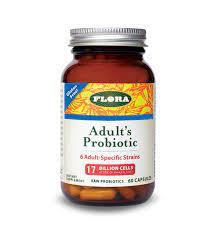
Probiotics have gained significant attention in recent years due to their potential health benefits. These live bacteria and yeasts are known for promoting a healthy digestive system and boosting the immune system. While probiotics are commonly associated with improving gut health, they have also been found to provide several other uses and benefits for adults. However, it is essential to understand the potential side effects and warnings associated with the use of adult probiotics.
Uses
1. Promoting Digestive Health: Probiotics can help restore the natural balance of bacteria in the gut, aiding in digestion and preventing digestive issues such as diarrhea, bloating, and constipation.
2. Strengthening the Immune System: By supporting a healthy gut, probiotics can enhance the immune system, helping the body fight off infections and diseases more effectively.
3. Managing Irritable Bowel Syndrome (IBS): Some studies suggest that certain strains of probiotics can alleviate symptoms associated with IBS, including abdominal pain, bloating, and irregular bowel movements.
4. Preventing and Treating Urinary Tract Infections (UTIs): Probiotics, particularly lactobacillus strains, have shown promise in preventing and treating UTIs by inhibiting the growth of harmful bacteria in the urinary tract.
5. Combating Antibiotic-Associated Diarrhea: Antibiotics can disrupt the natural balance of bacteria in the gut, leading to diarrhea. Probiotics can help restore this balance and alleviate antibiotic-associated diarrhea.
Benefits
1. Improved Digestion: Adult probiotics can aid in the breakdown and absorption of nutrients, ensuring optimal digestion and nutrient absorption.
2. Enhanced Nutrient Production: Some probiotics produce vitamins and enzymes that are essential for overall health and well-being, such as vitamin B12 and vitamin K.
3. Reduced Allergic Reactions: Probiotics have been found to modulate the immune system, potentially reducing the severity of allergic reactions and symptoms.
4. Mental Health Support: The gut-brain connection is increasingly recognized, and studies have suggested that probiotics may help improve mood and alleviate symptoms of anxiety and depression.
5. Lowered Risk of Certain Diseases: Regular consumption of probiotics has been associated with a reduced risk of conditions such as obesity, heart disease, and type 2 diabetes.
Side Effects
While generally safe for most adults, probiotics can cause certain side effects, including:
1. Digestive Issues: In some individuals, probiotics can cause gas, bloating, diarrhea, or an upset stomach. These symptoms are usually mild and subside on their own.
2. Allergic Reactions: Although rare, some people may be allergic to specific strains of probiotics, resulting in allergic reactions such as rash, itching, or difficulty breathing. If any signs of an allergic reaction occur, immediate medical attention should be sought.
3. Infections in Vulnerable Individuals: Individuals with weakened immune systems, such as those with HIV/AIDS or undergoing chemotherapy, may be at a higher risk of developing infections caused by certain strains of probiotics. Consultation with a healthcare professional is advised in such cases.
4. Risk of Sepsis: In rare cases, probiotics have been associated with the development of sepsis, a life-threatening condition characterized by widespread infection. This risk is mostly observed in individuals with compromised immune systems or those with catheters or other invasive medical devices.
5. Unintended Interactions: Probiotics may interact with certain medications, such as antibiotics and immunosuppressants, potentially reducing their effectiveness. It is crucial to inform your healthcare provider about any probiotic use to avoid any potential interactions.
Warnings
1. Consultation with a Healthcare Provider: Before starting any probiotic regimen, it is important to consult with a healthcare professional, especially if you have any underlying medical conditions or are taking medications.
2. Proper Storage: Probiotics are live organisms and can lose their potency if not stored correctly. Follow the storage instructions provided by the manufacturer to ensure the effectiveness of the product.
3. Quality and Safety: Choose probiotic supplements from reputable brands that have been tested for quality and safety. Look for products that contain strains with proven benefits and are free from contaminants.
4. Dosage Guidelines: Follow the recommended dosage guidelines provided by the manufacturer or your healthcare provider. Taking excessive amounts of probiotics may lead to unwanted side effects.
5. Probiotics for Specific Conditions: Not all probiotics are created equal, and different strains have varying effects on specific conditions. It is essential to choose the right strain or combination of strains based on the desired outcome and consult a healthcare professional for guidance.
FAQs
It is generally safe to take probiotics while on antibiotics. However, it is recommended to take them at least two hours apart to avoid potential interactions.
Probiotics are generally considered safe for pregnant women, but it is advisable to consult with a healthcare provider before starting any probiotic regimen during pregnancy.
While probiotics may have a modest impact on weight loss, they should not be solely relied upon as a weight loss solution. A balanced diet and regular exercise remain crucial for achieving and maintaining a healthy weight.
In most cases, probiotics can be taken alongside other supplements. However, it is recommended to space them out to ensure optimal absorption and effectiveness.
The duration of probiotic use depends on the individual and the specific condition being addressed. It is best to consult with a healthcare provider to determine the appropriate duration for your needs.