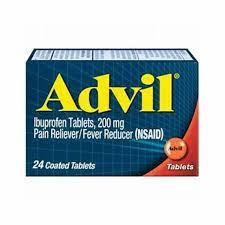
Advil is a brand name for the pain reliever compound Ibuprofen. It is a nonsteroidal anti-inflammatory drug (NSAID) that is commonly used for the treatment of pain and inflammation. Advil can be used for treating various kinds of pain, including headache, menstrual cramps, arthritis pain, and dental pain. However, before using this medication, it is important to know its uses, benefits, side effects, and warnings.
Uses
Advil is primarily used as a pain reliever and fever reducer. This medication works by reducing the production of prostaglandins, which cause inflammation and pain. Its anti-inflammatory properties make it an effective treatment for different types of pain, including:
1. Headache: Advil is one of the most effective pain relievers for headache pain. It can relieve mild-to-moderate headache pain caused by tension headaches, migraines, or sinus headaches.
2. Menstrual cramps: Advil can be effective in treating menstrual cramps due to its ability to reduce inflammation and pain.
3. Arthritis pain: Advil is commonly used for the treatment of osteoarthritis and rheumatoid arthritis. It can help reduce inflammation and pain in the joints.
4. Dental pain: Advil can provide relief for dental pain caused by toothaches, gum pain, or oral surgery.
Benefits
The benefits of Advil include:
1. Effective pain relief: Advil is a potent pain reliever that can provide relief for various types of pain.
2. Reduces inflammation: Advil is an effective anti-inflammatory medication that can help reduce inflammation in the body.
3. Reduces fever: Advil can reduce fever by blocking the production of prostaglandins, which are responsible for fever.
4. Affordable: Advil is an affordable pain reliever that can be obtained without a prescription in most countries.
Side Effects
As with any medication, Advil can cause side effects. The most common side effects of Advil include:
1. Upset stomach: Advil can cause stomach pain, nausea, and vomiting, especially if taken on an empty stomach.
2. Dizziness: Advil can cause dizziness, lightheadedness, and a feeling of being unsteady on your feet.
3. Headache: Some people experience headaches after taking Advil.
4. Allergic reactions: Some people can have an allergic reaction to Advil, which can cause symptoms such as hives, rash, swelling, or difficulty breathing.
If you experience any of these side effects, it is important to stop taking Advil and consult your doctor.
Warnings
There are also some warnings that you should be aware of before taking Advil. These include:
1. Avoid alcohol: Drinking alcohol while taking Advil can increase the risk of stomach bleeding and other side effects.
2. Avoid during pregnancy: Advil should not be taken during pregnancy, especially in the last trimester, as it can affect the baby’s development.
3. Use with caution: Advil should be used with caution in older adults and people who have a history of heart disease, stroke, high blood pressure, or stomach bleeding.
4. Don’t exceed the recommended dose: Taking more than the recommended dose of Advil can increase the risk of side effects.
5. Don’t take with other NSAIDs: Taking Advil with other NSAIDs, such as aspirin or naproxen, can increase the risk of stomach bleeding and other side effects.
FAQs
Yes, Advil is an effective pain reliever for headache pain.
No, Advil should not be taken during pregnancy, especially in the last trimester.
Advil usually starts to work within 30 minutes to an hour after taking it.
It is always important to consult your doctor or pharmacist about any medication interactions before taking Advil with other medications.
It is not recommended to take Advil every day for an extended period of time without consulting a doctor. Long-term use of Advil can increase the risk of side effects.






 relieves pain, inflammation and fever. Learn its uses, dosage limits, side effects and stomach and heart warnings.)