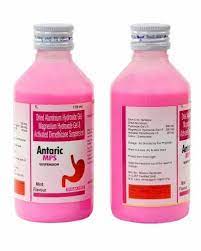
Aluminum hydroxide gel is a medication commonly used to treat symptoms of heartburn, acid indigestion, and sour stomach. It belongs to a class of drugs known as antacids and works by neutralizing excess stomach acid. This article explores the uses, benefits, side effects, and warnings associated with aluminum hydroxide gel.
Uses
Aluminum hydroxide gel is primarily used to relieve symptoms of gastrointestinal discomfort caused by excessive acid production. It can provide temporary relief from heartburn, acid indigestion, and sour stomach. This medication is also prescribed to manage the symptoms of gastroesophageal reflux disease (GERD), peptic ulcers, and hiatal hernias.
Benefits
The main benefit of aluminum hydroxide gel is its ability to neutralize stomach acid, which can alleviate the discomfort associated with acid-related conditions. By reducing the acidity in the stomach, it helps to relieve heartburn and indigestion, providing short-term relief. It is a fast-acting medication that can provide relief within minutes of ingestion.
In addition to its antacid properties, aluminum hydroxide gel is often used in combination with other medications to enhance their effectiveness. For example, it may be prescribed along with certain antibiotics to treat infections caused by Helicobacter pylori, a bacterium commonly associated with peptic ulcers.
Side Effects
While aluminum hydroxide gel is generally considered safe, it can cause some side effects. Common side effects include constipation, diarrhea, stomach cramps, and loss of appetite. These side effects are usually mild and temporary. However, if they persist or worsen, it is important to consult a healthcare professional.
Long-term use of aluminum hydroxide gel can lead to a condition known as aluminum toxicity. This occurs when excessive amounts of aluminum accumulate in the body, potentially causing bone and brain disorders. It is important to use this medication as directed and avoid prolonged use without medical supervision.
Warnings
Before using aluminum hydroxide gel, it is essential to inform your healthcare provider about any pre-existing medical conditions or allergies you may have. Certain conditions, such as kidney problems or high levels of calcium in the blood, may require caution or adjustments in dosage.
It is important to note that aluminum hydroxide gel may interact with other medications, including antibiotics, anticholinergic drugs, and certain heart medications. Therefore, it is crucial to inform your healthcare provider about all the medications you are taking to avoid potential drug interactions.
Furthermore, pregnant or breastfeeding individuals should consult their healthcare provider before using aluminum hydroxide gel, as its safety during these periods is not fully established.
FAQs
It is generally not recommended to use aluminum hydroxide gel for long periods without medical supervision due to the risk of aluminum toxicity.
Individuals with kidney problems should exercise caution and consult their healthcare provider before using aluminum hydroxide gel.
Pregnant individuals should consult their healthcare provider before using aluminum hydroxide gel, as its safety during pregnancy is not fully established.
Aluminum hydroxide gel may interact with certain medications. It is important to inform your healthcare provider about all the medications you are taking.
There are no specific dietary restrictions associated with the use of aluminum hydroxide gel. However, it is advisable to follow a balanced diet for overall digestive health.






