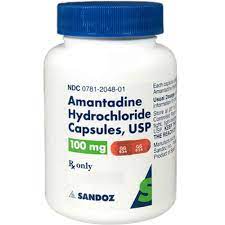
Amantadine is a medication that is primarily used to treat and prevent influenza A virus infections. Additionally, it is also employed in the management of Parkinson’s disease and other similar conditions. In this article, we will explore the various uses, benefits, side effects, and warnings associated with amantadine.
Uses
Amantadine is most commonly used for the prevention and treatment of influenza A virus infections. It works by inhibiting the replication of the virus within the body. It is particularly effective when taken within 48 hours of the onset of symptoms. In some cases, amantadine may also be used to control symptoms of Parkinson’s disease, including tremors, stiffness, and difficulty with muscle control. It is believed to work by increasing dopamine release and blocking its reuptake.
Benefits
Amantadine’s primary benefit lies in its effectiveness against the influenza A virus. By inhibiting viral replication, it can reduce the duration and severity of flu symptoms. When used as a preventive measure, it can help individuals avoid contracting the virus altogether. In the case of Parkinson’s disease, amantadine can provide relief from symptoms and improve functionality, allowing patients to lead a more independent and fulfilling life.
Side Effects
Like any medication, amantadine is not without its side effects. Common side effects include dizziness, headache, nausea, and nervousness. These side effects are usually mild and subside over time. However, if they persist or worsen, it is important to consult a healthcare professional. More severe side effects may occur, although they are less common. These can include hallucinations, difficulty urinating, skin rash, and severe mood changes. If any of these occur, immediate medical attention should be sought.
Warnings
Before starting amantadine, it is important to inform your healthcare provider of any allergies or medical conditions you may have. Amantadine may interact with other medications, so it is vital to disclose all medications, both prescription and over-the-counter, to your doctor. It is particularly important to mention if you are taking medications that affect the central nervous system, such as antihistamines or medications for mood disorders. Amantadine should be used cautiously in individuals with kidney disease, seizure disorders, heart disease, or a history of psychiatric illness.
Amantadine may cause dizziness or lightheadedness, especially when getting up from a sitting or lying position. It is advisable to rise slowly to minimize the risk of falls or injury. Alcohol should be avoided while taking amantadine as it may intensify the side effects of the medication. Amantadine is not recommended for use during pregnancy or breastfeeding, as its effects on fetal development and nursing infants are unknown.
FAQs (Frequently Asked Questions)
No, amantadine is specifically effective against the influenza A virus and is not indicated for the common cold.
No, amantadine does not cure Parkinson’s disease. It can only help manage the symptoms and improve functionality.
Yes, amantadine can be used as a preventive measure if you are exposed to someone with the flu. It is most effective when taken within 48 hours of exposure.
No, it is not advisable to consume alcohol while taking amantadine as it may enhance the side effects of the medication.
Amantadine is generally not recommended for use in children under the age of 1. However, your healthcare provider may prescribe it for a child on a case-by-case basis.
conclusion
In conclusion, amantadine is a versatile medication that is primarily used for the prevention and treatment of influenza A virus infections. It can also provide relief for symptoms of Parkinson’s disease. While it has its benefits, potential side effects and precautions need to be considered. If you have any concerns or queries, it is essential to discuss them with your healthcare professional.






