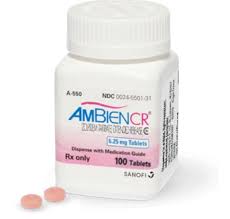
Ambien CR, also known as zolpidem, is a prescription medication primarily used to treat insomnia. It is a sedative-hypnotic drug that works by slowing down brain activity to help induce sleep. In this article, we will explore the uses, benefits, side effects, and warnings associated with Ambien CR.
Uses
Ambien CR is primarily prescribed for the short-term treatment of insomnia in adults. It helps individuals fall asleep faster and stay asleep longer. This medication is usually taken just before bedtime or when a person has difficulty falling back asleep after waking up in the middle of the night.
Benefits
The main benefit of Ambien CR is its ability to effectively treat insomnia. By promoting sleep, it can help individuals feel more rested and rejuvenated, leading to improved overall well-being. It is important to note that Ambien CR is not a long-term solution for insomnia and should not be used for extended periods without consulting a healthcare professional.
Side Effects
Like any medication, Ambien CR may cause side effects in some individuals. Common side effects include drowsiness, headache, dizziness, and dry mouth. These side effects are usually mild and temporary. However, some individuals may experience more severe side effects such as memory loss, confusion, hallucinations, and unusual behavior. If any of these side effects occur, it is important to seek medical attention immediately.
In rare cases, Ambien CR may also cause an allergic reaction. Signs of an allergic reaction include difficulty breathing, swelling of the face, lips, tongue, or throat, and rash. If you experience any of these symptoms, stop taking the medication and seek immediate medical assistance.
Warnings
While Ambien CR can be an effective medication for treating insomnia, it is important to be aware of certain warnings associated with its use. It should not be taken by individuals who are allergic to zolpidem or have a history of allergic reactions to other sleep medications. Additionally, Ambien CR should not be taken by individuals with severe liver disease or those who have a history of drug or alcohol addiction.
Ambien CR can cause drowsiness, impairment, and dizziness. It is important to avoid activities that require mental alertness, such as driving or operating machinery, until you know how the medication affects you. It is also essential to avoid consuming alcohol while taking Ambien CR, as it can intensify the sedative effects of the medication.
Ambien CR may interact with certain medications, including antidepressants, antipsychotics, and muscle relaxants. It is important to inform your healthcare provider about all the medications you are currently taking to ensure there are no potential drug interactions.
Conclusion
In conclusion, Ambien CR is a prescription medication used to treat insomnia. It can be beneficial in promoting sleep and alleviating the symptoms of insomnia. However, it is important to be aware of the potential side effects and warnings associated with its use. Always consult with a healthcare professional before starting any new medication.
FAQs
How quickly does Ambien CR work?
Ambien CR typically starts working within 15 to 30 minutes after ingestion. It is important to take the medication only when you are ready to go to bed.
Can Ambien CR be habit-forming?
Ambien CR has the potential to be habit-forming if used for extended periods or in higher doses than prescribed. It is essential to follow your healthcare provider’s instructions and not exceed the recommended dosage.
Can Ambien CR be used by pregnant women?
Ambien CR should be avoided during pregnancy unless absolutely necessary. It is important to discuss the risks and benefits with your healthcare provider before taking this medication.
Can Ambien CR be used by elderly individuals?
Older adults may be more sensitive to the effects of Ambien CR and may be at a higher risk of experiencing side effects such as dizziness and drowsiness. A lower dosage may be recommended for elderly individuals.
Can Ambien CR be used for children?
Ambien CR is not recommended for use in children under the age of 18. The safety and effectiveness of this medication in pediatric patients have not been established.