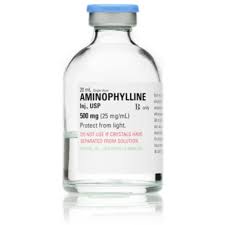
Aminophylline is a medication that is used to help patients suffering from asthma, chronic bronchitis, emphysema, and other respiratory conditions. It is a bronchodilator that helps to open up the airways in the lungs, making it easier to breathe. Aminophylline is available in multiple forms including oral tablets, suppositories, and injections. This article will focus on the uses, benefits, side effects, and warnings of aminophylline injection.
Uses
Aminophylline injection is primarily used to treat patients who are experiencing severe respiratory distress due to asthma or other respiratory conditions. It is an emergency medication that is administered when other medications and treatments have failed to provide relief. In addition to its bronchodilator properties, aminophylline also has a number of other benefits that make it a valuable medication for treating respiratory conditions.
Benefits
The primary benefit of aminophylline injection is that it can quickly open up the airways of the lungs, making it easier for patients to breathe. This can be a life-saving measure for patients in respiratory distress. In addition to its bronchodilator properties, aminophylline injection also has the following benefits:
- Reduces inflammation: Aminophylline has anti-inflammatory properties that can help to reduce inflammation in the airways of the lungs.
- Increases lung function: By opening up the airways and reducing inflammation, aminophylline can help patients to breathe more easily and increase their lung function.
- Treats other conditions: Aminophylline injection can also be used to treat other conditions such as heart failure and pulmonary edema.
Side Effects
Like all medications, aminophylline injection can cause side effects. The most common side effects of aminophylline injection include:
- Nausea and vomiting
- Headache
- Rapid heartbeat
- Tremors
- Difficulty sleeping
In rare cases, aminophylline injection can cause more serious side effects such as seizures, irregular heartbeat, and anaphylaxis. If you experience any of these side effects, seek medical attention immediately.
Warnings
Aminophylline injection should not be used in patients who are allergic to aminophylline or any of its ingredients. Additionally, aminophylline injection should be used with caution in patients with the following conditions:
- Heart disease
- High blood pressure
- Liver or kidney disease
- Hypothyroidism
Aminophylline injection can interact with a number of other medications, including certain antibiotics and antifungal medications. If you are taking any other medications, be sure to inform your doctor before receiving aminophylline injection.
FAQs
Aminophylline injection is typically administered as a slow infusion through an IV.
Aminophylline injection can start to work within minutes of being administered.
Aminophylline injection is typically only used for short-term treatment of severe respiratory distress. Long-term treatment is usually done with oral medications.
Yes, aminophylline injection can interact with a number of other medications including antibiotics and antifungal medications.
Aminophylline injection can be given to children, but the dosage must be adjusted based on the child’s weight.