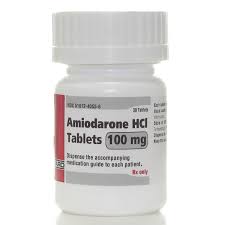
Amiodarone is a medication commonly prescribed to treat certain types of irregular heartbeats (arrhythmias). It belongs to the class of antiarrhythmic drugs and is available in tablet and intravenous injection forms. This article will explore the uses, benefits, side effects, and warnings associated with the use of amiodarone.
Readers often compare this with Mexitil, which we cover separately.
Uses
Amiodarone is primarily used to manage life-threatening ventricular arrhythmias, including ventricular fibrillation and ventricular tachycardia. Additionally, it may also be prescribed for certain supraventricular arrhythmias, such as atrial fibrillation or atrial flutter, if other treatment options have not been effective. Amiodarone works by affecting the electrical signals in the heart, helping to stabilize heart rate and rhythm.
Benefits
The use of amiodarone has proven beneficial in several ways. It effectively controls irregular heartbeats, reducing symptoms such as palpitations, dizziness, and shortness of breath. By restoring a regular heart rhythm, it also lessens the risk of complications associated with untreated arrhythmias, such as fainting, stroke, or sudden cardiac arrest. Furthermore, amiodarone can improve the function of the heart in individuals with heart failure.
Side Effects
Like any medication, amiodarone can cause side effects. Some common side effects include nausea, vomiting, loss of appetite, and fatigue. These usually subside over time, but if they persist or worsen, it is important to consult a healthcare professional. Amiodarone may also cause changes in vision, including sensitivity to light or a bluish-gray appearance. In rare cases, it can lead to a more severe condition called optic neuropathy.
Another potential side effect of amiodarone is pulmonary toxicity, which affects the lungs. Symptoms may include shortness of breath, a persistent cough, and fever. If any of these respiratory symptoms occur, it is crucial to seek immediate medical attention. Long-term use of amiodarone may result in hypothyroidism or hyperthyroidism, affecting the thyroid gland. Regular monitoring of thyroid hormone levels is recommended during treatment.
Warnings
Amiodarone should be used with caution, and certain precautions must be considered. Prior to starting amiodarone, individuals should inform their healthcare provider about any underlying medical conditions they may have, including liver or lung disease. The medication can potentially worsen these conditions or interact with other medications being taken.
Another important consideration is the potential drug interactions with amiodarone. Numerous medications, including certain antibiotics, antifungal drugs, and heart medications, can interact with amiodarone, leading to adverse effects. Therefore, it is vital to inform all healthcare providers about the use of amiodarone, including dentists and specialists to avoid potential interactions.
It is crucial to note that amiodarone has a long half-life, which means it remains in the body for an extended period. This necessitates ongoing monitoring and regular check-ups to evaluate liver, lung, and thyroid function, as well as heart rhythm. Individuals taking amiodarone should adhere strictly to their prescribed dosage and consult with their doctor before starting any new medications or supplements.
FAQs about Amiodarone:
Amiodarone is mainly used for ventricular arrhythmias but may also be prescribed for certain supraventricular arrhythmias. However, its use for each specific arrhythmia is assessed by healthcare professionals.
While amiodarone can effectively control irregular heartbeats, it usually does not provide a permanent cure. The medication helps manage the condition and reduce symptoms.
Amiodarone use during pregnancy has potential risks and should only be considered if the benefits outweigh the risks. Consultation with a healthcare provider is crucial to evaluate the individual case.
Abruptly stopping amiodarone is not recommended. This medication should be gradually tapered off under the supervision of a healthcare professional to prevent potential rebound effects or worsening of arrhythmias.
Yes, grapefruit and grapefruit juice can interact with amiodarone, potentially increasing its levels in the body. This can lead to an increased risk of side effects, and therefore, the consumption of grapefruit products should be avoided during amiodarone treatment.
conclusion
In conclusion, amiodarone is a valuable medication for managing certain types of irregular heartbeats. It can effectively reduce symptoms, restore regular heart rhythm, and lower the risk of complications associated with arrhythmias. However, caution should be exercised due to potential side effects and drug interactions. Regular monitoring and close communication with healthcare providers are essential when taking amiodarone.