Uses:
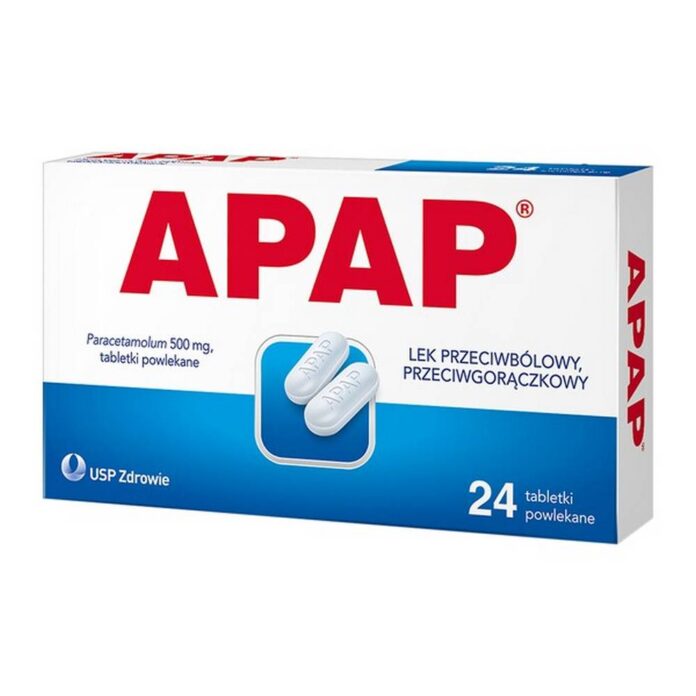
Apap, also known as acetaminophen or paracetamol, is a widely used over-the-counter medication. It is primarily used to relieve pain and reduce fever. It belongs to a class of drugs called analgesics and antipyretics, which work by blocking certain chemical signals in the brain that cause pain and fever. Apap is commonly used for various conditions, including headaches, muscle aches, toothaches, arthritis, and cold/flu symptoms.
Benefits:
The primary benefit of using Apap is its ability to provide temporary relief from mild to moderate pain and fever. It is often preferred over other pain relievers due to its relatively low risk of side effects when used as directed. Apap is also easily accessible and available in different forms, such as tablets, capsules, liquid, and suppositories, making it suitable for people of all ages.
Side Effects:
While Apap is generally considered safe when used as directed, it can cause side effects in some individuals. Common side effects include nausea, stomach upset, and skin rash. In rare cases, it may cause severe allergic reactions, such as difficulty breathing, swelling of the face or throat, and hives. Long-term or excessive use of Apap may lead to liver damage. It is crucial to follow the recommended dosage and avoid exceeding the maximum daily limit to minimize the risk of side effects.
Warnings:
Before using Apap, it is important to consider certain precautions and warnings:
- Do not take Apap if you are allergic to acetaminophen or any other ingredients present in the medication.
- Consult a healthcare professional before using Apap if you have any underlying medical conditions, such as liver disease, kidney disease, or alcohol dependence.
- Avoid consuming alcohol while taking Apap, as it may increase the risk of liver damage.
- Do not exceed the recommended dosage or duration of treatment without medical supervision.
- If symptoms persist or worsen, seek medical advice.
Frequently Asked Questions:
It is generally safe to take Apap with most medications, but it is essential to consult a healthcare professional or pharmacist to ensure there are no potential drug interactions. Some medications, such as certain antibiotics or anticoagulants, may interact with Apap and affect its effectiveness or increase the risk of side effects.
Apap is commonly used in pediatric medicine to relieve pain and reduce fever in children. However, it is crucial to follow the recommended dosage for children based on their age and weight. Always consult a pediatrician before giving any medication to a child.
No, Apap is not addictive. It does not contain any addictive substances and does not produce a euphoric or psychoactive effect. However, it is important to use Apap as directed and avoid exceeding the recommended dosage to prevent potential health risks.
Apap is generally considered safe for use during pregnancy when taken at the recommended dosage. However, it is always recommended to consult a healthcare professional before using any medication during pregnancy to assess its potential risks and benefits.
The onset of action of Apap varies depending on the individual and the specific condition being treated. Generally, Apap starts to work within 30 minutes to one hour after ingestion. However, it is important to note that the duration of pain relief may vary, and it is advisable to follow the recommended dosage intervals.






