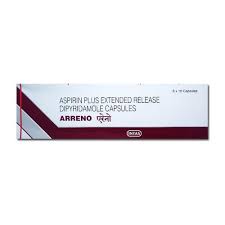
Aspirin Dipyridamole is a medication that combines two active ingredients, aspirin and dipyridamole. It is commonly prescribed for the prevention of blood clots in people who have had heart valve replacements, heart bypass surgery, or those who are at risk of stroke. This article will explore the uses, benefits, side effects, and warnings associated with Aspirin Dipyridamole.
Uses
Aspirin Dipyridamole is primarily used to prevent blood clots from forming. It is commonly prescribed for individuals who have undergone heart valve replacements or heart bypass surgery, as these procedures increase the risk of blood clots. The medication works by reducing the stickiness of platelets, preventing them from clumping together and forming clots.
Benefits
The primary benefit of Aspirin Dipyridamole is its ability to prevent blood clots. By reducing the risk of clots, it helps to maintain healthy blood flow throughout the body, reducing the chances of stroke, heart attack, or other serious cardiovascular complications. Additionally, Aspirin Dipyridamole may also have anti-inflammatory properties, which can further benefit individuals with certain heart conditions.
Side Effects
Like any medication, Aspirin Dipyridamole can cause side effects in some individuals. Common side effects include stomach upset, diarrhea, headache, and dizziness. These side effects are usually mild and temporary, but if they persist or become severe, it is important to consult a healthcare professional.
In rare cases, Aspirin Dipyridamole can cause more serious side effects, such as allergic reactions, including rash, itching, swelling, severe dizziness, or difficulty breathing. It may also increase the risk of bleeding, which can manifest as easy bruising, nosebleeds, or bleeding gums. If any of these symptoms occur, immediate medical attention should be sought.
Warnings
Before taking Aspirin Dipyridamole, it is crucial to inform your healthcare provider about any existing medical conditions and medications you are currently taking. Certain conditions, such as asthma, ulcers, or bleeding disorders, may require special consideration when using this medication. It is also important to disclose any allergies to aspirin or other nonsteroidal anti-inflammatory drugs (NSAIDs).
Aspirin Dipyridamole may interact with other medications, including blood thinners, anticoagulants, or nonsteroidal anti-inflammatory drugs. These interactions can increase the risk of bleeding or reduce the effectiveness of the medications. Therefore, it is essential to consult with a healthcare professional before starting or stopping any medications while taking Aspirin Dipyridamole.
FAQs
No, Aspirin Dipyridamole is primarily used for prevention and should not be used to treat an existing blood clot. If you suspect a blood clot, seek immediate medical attention.
It is important to consult with a healthcare professional before combining Aspirin Dipyridamole with any other medications, including over-the-counter pain relievers. Certain combinations may increase the risk of side effects or interactions.
Pregnant individuals should consult with their healthcare provider before taking Aspirin Dipyridamole. It may not be suitable for use during pregnancy, especially during the later stages.
Alcohol consumption should be discussed with a healthcare professional when taking Aspirin Dipyridamole. Excessive alcohol use may increase the risk of bleeding or other side effects.
If you miss a dose, take it as soon as you remember. However, if it is close to the time for your next scheduled dose, skip the missed dose and continue with your regular dosing schedule. Do not double the dose to make up for a missed one.