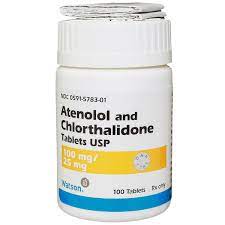
Atenolol Chlorthalidone is a combination medication that is commonly prescribed to treat high blood pressure. It contains two active ingredients, Atenolol and Chlorthalidone, which work together to lower blood pressure and reduce the risk of heart-related complications. This article will explore the uses, benefits, side effects, and warnings associated with this medication.
Uses
Atenolol Chlorthalidone is primarily used to treat hypertension, or high blood pressure. By blocking certain receptors in the heart and blood vessels, Atenolol reduces the heart rate and decreases the force of contraction, resulting in lower blood pressure levels. Chlorthalidone, on the other hand, is a diuretic that helps the body eliminate excess salt and water, further lowering blood pressure.
Benefits
The combination of Atenolol and Chlorthalidone offers several benefits for individuals with hypertension. By effectively reducing blood pressure, this medication can help prevent heart attacks, strokes, and kidney problems that are often associated with high blood pressure. Additionally, Atenolol Chlorthalidone may also be prescribed to manage angina (chest pain) and to improve survival rates following a heart attack.
Side Effects
Like any medication, Atenolol Chlorthalidone may cause side effects in some individuals. Common side effects include fatigue, dizziness, slow heart rate, low blood pressure, and cold hands or feet. These side effects are usually mild and tend to improve as the body adjusts to the medication. However, if these side effects persist or worsen, it is important to consult a healthcare professional.
Less common but more serious side effects may also occur, such as wheezing, shortness of breath, swelling of the hands or feet, rapid weight gain, or fainting. If any of these symptoms occur, immediate medical attention should be sought.
Warnings
Before taking Atenolol Chlorthalidone, it is crucial to inform your doctor about any existing medical conditions or allergies you may have. This medication may not be suitable for individuals with certain conditions, such as asthma, diabetes, kidney disease, or liver problems. It is also important to disclose any medications, including over-the-counter drugs and herbal supplements, that you are currently taking, as they may interact with Atenolol Chlorthalidone.
In some cases, Atenolol Chlorthalidone may cause a sudden drop in blood pressure upon standing, leading to dizziness or fainting. It is advisable to rise slowly from a sitting or lying position to minimize this risk. Additionally, alcohol consumption should be limited while taking this medication, as it can exacerbate the side effects.
FAQs
Atenolol Chlorthalidone is primarily used for the treatment of hypertension, but it may also be prescribed for angina and following a heart attack. It should only be used as directed by your healthcare provider.
The onset of action may vary from person to person, but it typically takes a few days to a few weeks for Atenolol Chlorthalidone to effectively lower blood pressure.
No, it is essential to continue taking the medication as prescribed by your doctor, even if your blood pressure is within the normal range. Suddenly stopping this medication can lead to a sudden increase in blood pressure and other adverse effects.
While rare, allergic reactions to Atenolol Chlorthalidone can occur. If you experience symptoms such as rash, itching, swelling, or difficulty breathing, seek immediate medical attention.
It is important to consult with your healthcare provider before taking this medication if you are pregnant or planning to become pregnant. Atenolol Chlorthalidone may be contraindicated during pregnancy due to potential risks to the fetus.






 and to improve survival rates following a heart attack.)