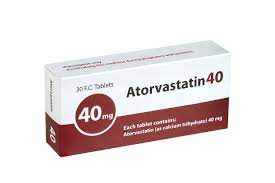
Atorvastatin is a medication belonging to a class of drugs called statins, which are primarily used to lower cholesterol levels in the bloodstream. It works by reducing the production of cholesterol by the liver and improving the body’s ability to remove cholesterol that has already built up in blood vessels. This article explores the uses, benefits, side effects, and warnings of Atorvastatin.
Uses
Atorvastatin is primarily prescribed for the treatment of high cholesterol, a condition known as hypercholesterolemia. It is used to reduce levels of LDL cholesterol, commonly known as “bad” cholesterol, as well as triglycerides, another type of fat found in the blood. By lowering cholesterol levels, Atorvastatin helps reduce the risk of heart disease, strokes, and other cardiovascular complications.
In addition to treating high cholesterol, Atorvastatin may also be used to prevent cardiovascular events in individuals with existing heart conditions, such as coronary artery disease. It can also be prescribed to individuals with an increased risk of developing cardiovascular diseases due to other factors, such as diabetes or smoking.
Benefits
The main benefit of Atorvastatin lies in its ability to lower cholesterol levels, thereby reducing the risk of heart disease. When used as prescribed, Atorvastatin has been shown to significantly decrease LDL cholesterol levels and reduce the occurrence of cardiovascular events, such as heart attacks and strokes. It can also increase levels of HDL cholesterol, often referred to as “good” cholesterol, which helps further protect the heart.
Furthermore, Atorvastatin has been found to have anti-inflammatory effects, which may contribute to its cardiovascular benefits. It can also improve the function of blood vessels and decrease the formation of blood clots, leading to improved overall heart health.
Side Effects
Like any medication, Atorvastatin may cause side effects in some individuals. The most common side effects include:
- Headache
- Muscle aches and pain
- Nausea
- Diarrhea
- Insomnia
In rare cases, Atorvastatin can cause more serious side effects, such as liver problems, muscle damage, or an allergic reaction. It’s therefore essential to promptly report any unusual symptoms to a healthcare professional. Additionally, some individuals may experience an increase in blood sugar levels or the development of type 2 diabetes while taking Atorvastatin.
Warnings
While Atorvastatin is generally safe and well-tolerated, certain precautions should be taken:
- Pregnancy and breastfeeding: Atorvastatin should not be used during pregnancy or while breastfeeding, as it may harm the fetus or baby.
- Liver and kidney disease: Individuals with liver or kidney problems should use Atorvastatin with caution, as it may further impair liver or kidney function.
- Grapefruit juice: Avoid consuming grapefruit juice while taking Atorvastatin, as it can interfere with the metabolism of the medication, leading to higher levels in the bloodstream.
- Interactions with other medications: Atorvastatin may interact with certain medications, including blood thinners, antifungal drugs, and certain antibiotics. It’s important to inform your healthcare provider about all the medications you are taking.
FAQs
The time it takes for Atorvastatin to lower cholesterol levels varies between individuals. However, significant reductions in LDL cholesterol levels can typically be observed within 2 to 4 weeks of starting treatment.
No, Atorvastatin should not be considered a substitute for a healthy lifestyle. It is important to combine medication with a balanced diet, regular exercise, and other lifestyle modifications to effectively manage cholesterol levels and reduce the risk of cardiovascular diseases.
It is generally safe to consume moderate amounts of alcohol while taking Atorvastatin. However, excessive alcohol consumption can increase the risk of liver damage, and since Atorvastatin may affect liver function, it’s advisable to consume alcohol in moderation.
Yes, Atorvastatin is generally safe for elderly individuals. However, it’s important to consider the individual’s overall health and potential interactions with other medications they may be taking. Elderly individuals may have a higher risk of muscle-related side effects, so regular monitoring and reporting any symptoms to a healthcare professional is essential.
No, Atorvastatin should not be stopped abruptly without consulting a healthcare professional. Suddenly discontinuing the medication can cause a rapid increase in cholesterol levels, potentially putting the individual at an increased risk of cardiovascular events. It is important to follow the prescribed dosage and discuss any necessary changes with a healthcare provider.