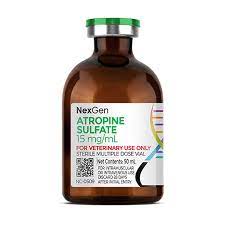
Atropine is a medication that falls under the category of anticholinergic drugs, which block the action of the neurotransmitter acetylcholine in the central and peripheral nervous system. It has various uses in the medical field, including the treatment of bradycardia, dilating the pupil during eye exams, and reducing secretions during surgery. This article aims to provide you with all the necessary information about Atropine, including its uses, benefits, side effects, and warnings.
Uses of Atropine
Atropine has several uses, including:
- Treating bradycardia or a slow heart rate. Atropine works by blocking the vagus nerve, which slows down the heart rate. It is helpful in cases of hypotension, cardiac arrest due to asystole, or after cardiac surgery.
- Dilating the pupil during an eye exam or surgery. Atropine blocks the muscles that control the size of the pupil, which makes it easier for doctors to examine the eye.
- Reducing secretions during surgery. Atropine is used in combination with other medications to reduce saliva or bronchial secretion during surgery or other medical procedures.
- Treating asthma or COPD exacerbations. Atropine can be used in combination with other bronchodilators to help open up the airways during an asthma or COPD exacerbation.
- Treating certain types of poisonings. Atropine can help reduce the effects of certain types of poisonings, such as organophosphate or carbamate poisoning.
Benefits of Atropine
The benefits of Atropine include:
- Effective treatment for bradycardia: Atropine is a quick and effective way to treat a slow heart rate in emergency situations such as cardiac arrest.
- Improved visualization during an eye exam: Atropine helps to dilate the pupil, which allows doctors to see the inside of the eye more clearly.
- Reduced secretions during surgery: Atropine reduces saliva and bronchial secretions, which can help prevent complications during surgery.
- Relieves symptoms of asthma or COPD exacerbation: Atropine helps to open up the airways, which can relieve symptoms of asthma or COPD exacerbation.
- Effective treatment for certain poisonings: Atropine can help reduce the effects of certain types of poisonings, which can be life-saving.
Side Effects of Atropine
Atropine can cause various side effects, including:
- Dry mouth and throat
- Blurred vision and sensitivity to light
- Increased heart rate
- Urinary retention
- Constipation
- Confusion, disorientation, and hallucinations
- Agitation and restlessness
- Difficulty breathing, especially in patients with asthma or COPD
- In rare cases, Atropine can cause anaphylaxis, a severe allergic reaction.
Warnings
Before using Atropine, it is essential to inform your doctor if you have any of the following conditions:
- Difficulty urinating due to an enlarged prostate or other urinary tract obstruction
- Glaucoma or other eye problems
- Heart disease or a history of heart attack
- Allergies to Atropine or other anticholinergic drugs
- Pregnant or breastfeeding
Atropine should be used with caution in the elderly, as they may be more susceptible to the medication’s side effects.
It is also important to inform your doctor about any medications you are currently taking, as Atropine can interact with several medications, including other anticholinergic drugs, opioids, and tricyclic antidepressants.
FAQs
No, Atropine actually increases the heart rate by blocking the action of the vagus nerve.
Atropine may be used to treat asthma or COPD exacerbations, but it is usually used in combination with other bronchodilators.
Yes, hallucinations are a possible side effect of Atropine.
If you experience symptoms of an allergic reaction, such as difficulty breathing or swelling of the face, lips, tongue, or throat, seek medical attention immediately.
Atropine should only be used during pregnancy or breastfeeding if the benefits outweigh the risks, and only under medical supervision. It is essential to discuss the risks and benefits with your doctor before using this medication.