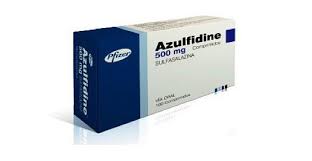
Azulfidine is a medication that is commonly prescribed for the treatment of Rheumatoid Arthritis, Inflammatory Bowel Disease, and other inflammatory conditions. It is also known by its generic name, Sulfasalazine.
Uses
Azulfidine is a medication that is primarily used to treat rheumatoid arthritis, an autoimmune disorder where the body attacks its own joints. It is also used to treat inflammatory bowel disease, such as ulcerative colitis and Crohn’s disease. Additionally, Azulfidine may be used to treat other inflammatory conditions, such as psoriatic arthritis and ankylosing spondylitis.
Benefits
Azulfidine works by reducing inflammation in the body. It can relieve joint pain, swelling, and stiffness associated with rheumatoid arthritis, making it easier for the patient to move their joints. Similarly, it can reduce inflammation in the intestine, which can relieve symptoms of inflammatory bowel disease, such as diarrhea, abdominal pain, and rectal bleeding.
Side Effects
Like all medications, Azulfidine can cause side effects in some patients. Common side effects include headache, stomach upset, nausea, vomiting, and diarrhea. These side effects are usually mild and go away on their own. However, if they persist or become severe, it is important to contact your doctor.
In rare cases, more serious side effects can occur. These include fever, skin rash, joint pain, and liver problems. If you experience any of these symptoms, contact your doctor immediately. Additionally, some patients may be allergic to Azulfidine, which can cause difficulty breathing, swelling of the face and throat, and other serious symptoms. If you experience an allergic reaction, seek emergency medical attention right away.
Warnings
Before taking Azulfidine, it is important to inform your doctor if you have a history of liver or kidney problems, asthma, or any blood disorders. Azulfidine should not be taken during pregnancy or while breastfeeding, as it can harm the fetus or nursing infant.
Azulfidine can also interact with other medications, including blood thinners and immunosuppressants. It is important to inform your doctor about all medications, supplements, and herbal remedies you are taking before beginning treatment with Azulfidine.
FAQs
- How long does it take Azulfidine to work?
Azulfidine can take several weeks to show its full effect. It is important to take the medication as prescribed and not to stop taking it suddenly, even if you begin to feel better.
- Can I drink alcohol while taking Azulfidine?
You should avoid alcohol while taking Azulfidine, as it can increase the risk of liver damage.
- Can Azulfidine cause weight gain?
Azulfidine is not known to cause weight gain. However, it can cause stomach upset and diarrhea, which can lead to weight loss.
- Can Azulfidine be taken with food?
Azulfidine can be taken with or without food. However, taking it with food may help to reduce stomach upset.
- Can Azulfidine be stopped suddenly?
No, Azulfidine should not be stopped suddenly. If you wish to stop taking the medication, you should talk to your doctor first, as they may need to gradually reduce your dosage to avoid a flare-up of your condition.






 treats ulcerative colitis and rheumatoid arthritis. See its uses, dosage, side effects and blood test warnings.)