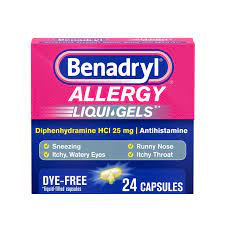
Benadryl Allergy is a widely used medication that provides relief from various allergy symptoms. This over-the-counter medicine contains the active ingredient diphenhydramine, which is an antihistamine. In this article, we will explore the uses, benefits, side effects, and warnings associated with Benadryl Allergy.
Uses
Benadryl Allergy is primarily used to treat symptoms caused by allergies, such as sneezing, itching, watery eyes, and runny nose. It works by blocking the effects of histamine, a natural substance produced by the body that can cause these allergic reactions. This medication can effectively alleviate symptoms caused by hay fever, pet allergies, dust mites, and other environmental allergens.
Benefits
The main benefit of using Benadryl Allergy is the relief it provides from allergic symptoms. By reducing sneezing, itching, and other discomforts, this medication allows individuals to go about their daily activities without disruption. It can significantly improve the quality of life for those suffering from allergies, providing them with the freedom to enjoy outdoor activities and interact with pets without constantly experiencing uncomfortable symptoms.
Side Effects
While Benadryl Allergy is generally safe and well-tolerated, it may cause certain side effects in some individuals. Common side effects include drowsiness, dizziness, dry mouth, and blurred vision. These side effects are usually mild and temporary, but caution should be exercised when engaging in activities that require alertness, such as driving or operating machinery. It is important to follow the recommended dosage and consult a healthcare professional if these side effects persist or worsen.
In rare cases, some individuals may experience more severe side effects such as rapid heartbeat, difficulty urinating, or allergic reactions. If any of these symptoms occur, medical attention should be sought immediately.
Warnings
Benadryl Allergy should not be used in certain situations or by specific individuals. It is important to read and follow the instructions on the packaging or consult a healthcare professional before using this medication. The following are some important warnings to consider:
- Pregnancy and breastfeeding: Benadryl Allergy should be used with caution during pregnancy or while breastfeeding. It is recommended to consult a healthcare professional before using this medication in such cases.
- Children: Benadryl Allergy is not suitable for children under the age of 6 without the guidance of a healthcare professional.
- Medical conditions: Individuals with certain medical conditions, such as glaucoma, asthma, high blood pressure, or prostate problems, should exercise caution when using Benadryl Allergy. Consulting a healthcare professional is advised in such cases.
- Drug interactions: Benadryl Allergy may interact with other medications, including sedatives, tranquilizers, and monoamine oxidase inhibitors (MAOIs). It is essential to inform a healthcare professional about all medications being taken to avoid potential interactions.
- Alcohol: Alcohol consumption should be avoided while taking Benadryl Allergy, as it can intensify drowsiness and other side effects.
FAQs (Frequently Asked Questions)
No, Benadryl Allergy is not specifically designed to treat cold symptoms. It is primarily used to alleviate allergy symptoms caused by environmental factors such as pollen, pet dander, or dust mites. For cold symptoms, it is recommended to use medications specifically formulated for cold relief.
Benadryl Allergy typically starts working within 30 minutes to an hour after consumption. However, the exact onset time may vary between individuals.
It is generally not recommended to take multiple allergy medications simultaneously without consulting a healthcare professional. Certain combinations may increase the risk of side effects or drug interactions. It is essential to seek medical advice before combining different medications.
Individuals with high blood pressure should exercise caution when using Benadryl Allergy. It is advisable to consult a healthcare professional before using this medication to ensure it is safe and appropriate.
Benadryl Allergy may cause drowsiness and impair alertness in some individuals. If you experience drowsiness or dizziness after taking this medication, it is recommended toIn conclusion, Benadryl Allergy is an effective over-the-counter medication for alleviating allergy symptoms. It provides relief from sneezing, itching, and other discomforts caused by allergies. While generally safe, it is important to be aware of the potential side effects and warnings associated with this medication. By following the recommended dosage and guidelines, individuals can experience the benefits of Benadryl Allergy and enjoy improved quality of life despite their allergies.