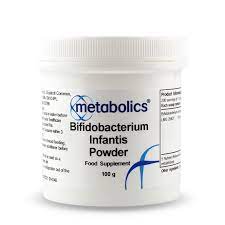
Bifidobacterium Infantis is a strain of beneficial bacteria that is found naturally in the human body, particularly in the gastrointestinal tract. This probiotic is known for its potential health benefits and is available in various forms, including dietary supplements. In this article, we will explore the uses, benefits, side effects, and warnings associated with Bifidobacterium Infantis.
Uses
Bifidobacterium Infantis is primarily used to promote digestive health and support the balance of beneficial bacteria in the gut. It can help regulate bowel movements, relieve symptoms of constipation, and reduce intestinal inflammation. This particular strain has also shown potential in alleviating symptoms of irritable bowel syndrome (IBS) and improving overall gut function.
Additionally, Bifidobacterium Infantis is commonly used to support the immune system. It has been found to enhance the body’s defense mechanisms by stimulating the production of natural antibodies and strengthening the gut barrier. Some studies suggest that this probiotic strain may also have potential benefits for mental health, as it affects the production of certain neurotransmitters that play a crucial role in mood regulation.
Benefits
The consumption of Bifidobacterium Infantis has been associated with several health benefits. Firstly, it helps maintain a healthy balance of bacteria in the gut, which is essential for proper digestion and nutrient absorption. This can contribute to improved overall gut health, reducing the risk of digestive disorders and enhancing overall well-being.
Furthermore, Bifidobacterium Infantis supports a robust immune system. By enhancing the body’s natural defense mechanisms, it may help reduce the risk of infections, particularly in the gastrointestinal tract. This is especially beneficial for individuals with weakened immune systems or those who are prone to frequent infections.
Additionally, some studies suggest that Bifidobacterium Infantis may help alleviate symptoms of irritable bowel syndrome (IBS), a chronic and often debilitating gastrointestinal disorder. It has shown potential in reducing abdominal pain, bloating, and improving bowel regularity in individuals with IBS.
Moreover, this probiotic strain may have positive effects on mental health. Research indicates that Bifidobacterium Infantis can influence the production of certain neurotransmitters, such as serotonin, that play a role in mood regulation. This suggests that it may have a potential role in supporting mental well-being and alleviating symptoms of anxiety and depression.
Side Effects
In general, Bifidobacterium Infantis is considered safe for most individuals. However, some people may experience mild side effects, such as gas, bloating, or an upset stomach, particularly in the initial stages of consumption. These side effects are usually temporary and tend to resolve on their own as the body adjusts to the probiotic.
Rarely, individuals with weakened immune systems or serious medical conditions may experience more severe side effects. If you have any underlying health issues or are taking medications, it is advisable to consult a healthcare professional before starting any new supplements, including Bifidobacterium Infantis.
Warnings
While Bifidobacterium Infantis is generally safe, there are a few precautions to consider. Pregnant or breastfeeding women should consult with their healthcare provider before using any probiotic supplements. Although no adverse effects have been reported, it is important to prioritize the well-being of both the mother and the baby.
Additionally, individuals with compromised immune systems, such as those undergoing chemotherapy or organ transplantation, should exercise caution when considering the use of Bifidobacterium Infantis or any other probiotic. These populations are more susceptible to infections, and introducing new bacteria into the body may pose a risk.
Furthermore, it is crucial to purchase probiotic supplements from reputable sources to ensure their quality and safety. Always follow the recommended dosage instructions provided by the manufacturer or consult a healthcare professional for personalized guidance.
FAQs
Yes, it is generally safe to take Bifidobacterium Infantis alongside antibiotics. However, it is advisable to separate the doses by at least two hours to avoid potential interaction between the antibiotic and the probiotic.
The time it takes to notice the effects of Bifidobacterium Infantis can vary among individuals. Some people may experience improvements in digestive symptoms within a few days, while others may require several weeks of regular use.
Yes, Bifidobacterium Infantis is generally safe for children. However, it is recommended to consult a pediatrician before starting any new supplements, especially for infants or children with underlying medical conditions.
Probiotic supplements, including Bifidobacterium Infantis, should be stored according to the manufacturer’s instructions. Generally, they should be kept in a cool and dry place, away from direct sunlight, heat, and moisture.
In most cases, Bifidobacterium Infantis can be taken with or without food. However, individuals who experience stomach upset when taking probiotics may find it beneficial to consume them with a meal.