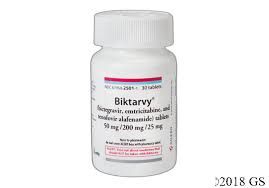
Biktarvy is a prescription medication that contains a combination of three active substances namely, bictegravir, emtricitabine, and tenofovir alafenamide. It is used to treat Human Immunodeficiency Virus (HIV-1) in adults. In this article, we will take a closer look at the uses, benefits, side effects, and warnings of Biktarvy.
Uses of Biktarvy
Biktarvy is used to treat Human Immunodeficiency Virus (HIV-1) in adults. HIV-1 is a virus that attacks and destroys the body’s immune system, which makes it difficult for the body to fight infections and diseases.
The three active substances in Biktarvy work together to fight and suppress the HIV-1 virus. Bictegravir blocks the virus’s ability to integrate itself into the body’s DNA, while emtricitabine and tenofovir alafenamide work together to interrupt the virus’s ability to replicate itself.
Benefits of Biktarvy
Biktarvy is an effective treatment option for people living with HIV-1. It has been shown to keep the virus suppressed in the body, which helps to reduce the risk of further transmission. Biktarvy’s once-daily dosing regimen also makes it more convenient for patients to take their medication as directed.
Side Effects of Biktarvy
Like all medications, Biktarvy may cause side effects. Some of the most common side effects reported by patients taking Biktarvy include headache, diarrhea, nausea, fatigue, and rash. These side effects are generally mild to moderate in intensity and usually go away on their own within a few days.
In rare cases, Biktarvy may cause more severe side effects, such as kidney problems, liver problems, and lactic acidosis. If you experience any of the following symptoms, you should contact your healthcare provider immediately:
– Pain in the upper right side of the stomach
– Dark urine or pale stools
– Yellowing of the skin or eyes
– Nausea or vomiting
– Loss of appetite
– Severe weakness or tiredness
– Confusion or dizziness
Warnings for Biktarvy
Biktarvy is not recommended for people with severe kidney or liver problems. Patients with a history of hepatitis B virus (HBV) should be monitored closely for signs of HBV reactivation during treatment with Biktarvy.
Biktarvy may interact with other medications, including antacids, rifampin, and certain seizure medications. Patients should inform their healthcare provider of all medications they are taking before starting treatment with Biktarvy.
Patients should also avoid taking Biktarvy with other medications that may cause damage to the kidneys, such as non-steroidal anti-inflammatory drugs (NSAIDs) or other medications that are toxic to the kidneys.
conclusion
Biktarvy is an effective treatment option for people living with HIV-1. It works by suppressing the virus in the body, which reduces the risk of further transmission. While the medication may cause some side effects, they are generally mild and go away on their own within a few days. Patients should inform their healthcare provider of all medications they are taking before starting treatment with Biktarvy. With proper use, Biktarvy can help patients living with HIV-1 to live a longer and healthier life.
FAQs
If you miss a dose of Biktarvy, take it as soon as you remember. If it is almost time for your next dose, skip the missed dose and continue with your regular dosing schedule.
Biktarvy is not a cure for HIV-1, but it can help to keep the virus suppressed in the body, which reduces the risk of further transmission.
Biktarvy begins to work immediately, but it may take several weeks or months for the full benefits of the medication to be realized.
Drinking alcohol in moderation is generally safe while taking Biktarvy. However, patients with liver problems should avoid or limit their alcohol intake.
Biktarvy is covered by most insurance plans, including Medicaid and Medicare. Patients should check with their insurance provider to determine their specific coverage and copay requirements.