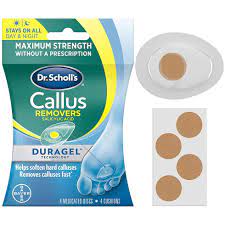
Calluses can be an uncomfortable and unsightly condition for many individuals. These thickened areas of skin, often found on the soles of the feet or palms of the hands, are commonly caused by repeated pressure or friction. While calluses are usually harmless, they can become painful or lead to complications if left untreated. This is where callus removers come into play. In this article, we will explore the uses, benefits, side effects, and warnings associated with these common medicinal products.
Uses
Callus removers are specifically designed to soften and remove thickened skin. They work by breaking down the tough layers of dead skin cells, making it easier to file or scrape away the callus. Callus removers often contain ingredients such as salicylic acid or urea, which have exfoliating properties and help to dissolve the hardened skin. These medicines are typically available as creams, ointments, gels, or pads.
Benefits
The primary benefit of using a callus remover is the relief it provides from uncomfortable calluses. By softening the thickened skin, callus removers aid in reducing pain and discomfort associated with walking or using the affected area. Additionally, callus removers can help prevent complications such as skin infections or ulcers, which may occur when calluses are not properly managed.
Side Effects
While callus removers are generally safe when used as directed, they may cause some side effects in certain individuals. Common side effects include skin irritation, redness, or a burning sensation. In rare cases, allergic reactions may occur, leading to itching, swelling, or the development of a rash. If you experience any severe or persistent side effects, it is important to discontinue use and consult a healthcare professional.
Warnings
Although callus removers are readily available over the counter, it is crucial to follow the provided instructions and warnings to ensure safe and effective use. Avoid applying callus remover to broken or infected skin, as this may lead to further complications. Additionally, individuals with diabetes, poor circulation, or other underlying medical conditions should consult their doctor before using callus removers. It is essential to refrain from using callus removers on areas where the skin is thin, such as the face or genitals.
FAQs
Callus removers are specifically formulated for use on the feet and hands, where calluses commonly occur. It is not recommended to use these products on other areas of the body, as the skin may be more sensitive.
The timeframe for results may vary depending on the severity of the callus. Generally, it may take a few days to a couple of weeks of consistent use before noticeable improvement is observed.
While callus removers can effectively soften and reduce the thickness of calluses, complete removal may require additional measures such as regular exfoliation and wearing proper footwear to prevent further friction or pressure.
Some individuals may prefer natural remedies such as soaking the affected area in warm water with Epsom salts, using pumice stones or files, or applying gentle moisturizers regularly. However, these methods may take longer to achieve desired results compared to using dedicated callus removers.
It is recommended to consult a healthcare professional before using callus removers during pregnancy, as certain ingredients or application methods may need to be avoided to ensure the safety of both the mother and the baby.