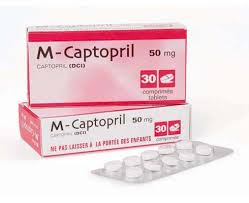
Capoten, also known as Captopril, is a medication commonly used to treat high blood pressure, heart failure, and a condition called diabetic nephropathy. This medication belongs to the class of drugs called ACE inhibitors. In this article, we’ll examine the uses, benefits, side effects, and warnings associated with Capoten.
Uses of Capoten
Capoten has several uses, including:
Treating High Blood Pressure
One of the primary uses of Capoten is to treat high blood pressure, which can cause various health problems such as stroke, heart disease, kidney failure, and blindness.
Treating Heart Failure
Capoten is also used to treat heart failure, which occurs when the heart can’t pump enough blood to meet the body’s needs. It can cause symptoms such as shortness of breath, fatigue, and swelling in the legs or ankles.
Treating Diabetic Nephropathy
Capoten can be used to treat diabetic nephropathy, which is a kidney disease that occurs in people with diabetes. It happens when high blood sugar levels damage the small blood vessels in the kidneys. Over time, this can lead to kidney failure.
Benefits of Capoten
There are several benefits of taking Capoten, including:
Lowering Blood Pressure
Capoten can effectively lower blood pressure, which can reduce the risk of strokes, heart attacks, and other health conditions.
Improving Heart Function
Since Capoten can increase blood flow and lower blood pressure, it can improve heart function in people with heart failure.
Preventing Kidney Damage
Capoten can also prevent kidney damage caused by high blood pressure or diabetic nephropathy.
Side Effects of Capoten
Like every medication, Capoten has side effects, including:
Coughing
One of the most common side effects of Capoten is a dry cough.
Dizziness or Light-Headedness
Capoten can cause dizziness or lightheadedness in some people, especially when standing up quickly.
Headaches
Some people may experience headaches while taking Capoten.
Changes in Taste
Capoten can cause changes in taste, including a metallic taste in the mouth.
Warnings for Capoten
Before taking Capoten, it’s important to be aware of several warnings, including:
Pregnancy
Capoten is not recommended for use during pregnancy, as it can harm the unborn baby.
Breastfeeding
It’s also not recommended to breastfeed while taking Capoten, as it can pass into breast milk and harm the baby.
Allergies
People with a history of allergies to ACE inhibitors should not take Capoten.
Kidney Disease
Capoten should be used with caution in people with kidney disease, as it can cause further damage to the kidneys.
Interactions with Other Medications
Capoten can interact with other medications, including diuretics and potassium-sparing agents. It’s important to speak to your doctor before taking Capoten with other drugs.
FAQs
- Can Capoten cure high blood pressure?
No, Capoten does not cure high blood pressure. It can effectively lower blood pressure, but it should be used in conjunction with lifestyle changes such as exercise, healthy diet, and stress management.
- How should I take Capoten?
Capoten should be taken exactly as directed by your doctor. It’s typically taken once or twice per day, with or without food.
- Can Capoten cause weight gain?
No, Capoten is not known to cause weight gain.
- Can I drink alcohol while taking Capoten?
It’s recommended to avoid alcohol while taking Capoten, as it can increase the risk of side effects such as dizziness or lightheadedness.
- Can Capoten treat congestive heart failure?
Yes, Capoten can treat congestive heart failure by improving heart function and reducing symptoms such as shortness of breath and fatigue.
Conclusion
Capoten is a widely used medication for treating high blood pressure, heart failure, and diabetic nephropathy. While it provides several benefits, it’s important to be aware of its potential side effects and warnings. If you’re considering taking Capoten, speak to your doctor to determine if it’s the right medication for you.






 treats high blood pressure, heart failure and diabetic kidney disease. Review its uses, dosage and pregnancy warnings.)