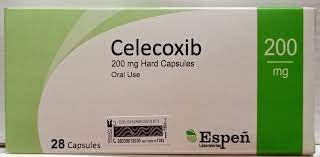
Celecoxib is a medication primarily used to treat pain and inflammation caused by conditions such as arthritis, menstrual cramps, and acute injuries. It belongs to a class of drugs known as nonsteroidal anti-inflammatory drugs (NSAIDs). In this article, we will explore the uses, benefits, side effects, and warnings associated with Celecoxib.
Uses
Celecoxib is commonly prescribed to manage the symptoms of various medical conditions. The primary uses of Celecoxib include:
- Arthritis: Celecoxib is effective in relieving pain, stiffness, and swelling associated with conditions like rheumatoid arthritis, osteoarthritis, and ankylosing spondylitis.
- Acute Pain: It can be used as a short-term treatment for mild to moderate pain caused by injuries, dental procedures, or surgery.
- Menstrual Cramps: Celecoxib has shown positive effects in reducing the severity of pain and discomfort during menstruation.
- Adenomatous Colorectal Polyps: Celecoxib is also prescribed to reduce the number of precancerous polyps in the colon for individuals with a history of adenomatous colorectal polyps.
Benefits
Celecoxib offers several benefits when used appropriately under medical supervision. Some of the key benefits include:
- Pain Relief: By inhibiting certain enzymes responsible for pain and inflammation, Celecoxib provides relief from acute and chronic pain.
- Improved Mobility: Arthritis patients often experience limited joint mobility. Celecoxib can help reduce inflammation, swelling, and stiffness, thereby improving joint function and mobility.
- Reduced Polyp Formation: For individuals prone to the development of adenomatous colorectal polyps, Celecoxib has been found effective in reducing their occurrence by suppressing polyp growth.
- Menstrual Comfort: Celecoxib can ease menstrual cramps, making periods more manageable and less painful.
Side Effects
Though Celecoxib is generally well-tolerated, like any medication, it may cause certain side effects. Common side effects of Celecoxib include:
- Upset stomach: Celecoxib can cause indigestion, diarrhea, nausea, or abdominal pain.
- Dizziness: Some individuals may experience dizziness or lightheadedness while taking Celecoxib.
- Headache: Occasional headaches have been reported; however, they are usually mild and subside without intervention.
- Rash: Allergic reactions leading to skin rashes may occur in rare cases.
- Fluid Retention: Celecoxib may cause water retention, leading to swelling in the ankles, feet, or hands.
Warnings
Before taking Celecoxib, it is important to consider the following warnings:
- Cardiovascular Risks: NSAIDs, including Celecoxib, may increase the risk of heart attack, stroke, and other cardiovascular events, especially when taken for prolonged periods or in high doses.
- Gastrointestinal Risks: Using Celecoxib may raise the likelihood of ulcers, bleeding, and perforation in the stomach or intestines. These risks can be higher if you have a history of stomach ulcers, bleeding disorders, or are taking blood thinners.
- Hypersensitivity Reactions: Individuals with known allergies to NSAIDs or aspirin should avoid Celecoxib, as it may cause severe allergic reactions.
FAQs
Yes, Celecoxib is commonly prescribed for long-term management of arthritis. Regular monitoring and following the healthcare provider’s instructions are necessary.
Celecoxib is generally not recommended during pregnancy, particularly during the third trimester. It is essential to consult a healthcare professional for individualized advice.
Celecoxib may interact with certain medications, especially other NSAIDs, blood thinners, or certain antidepressants. Always inform your doctor about all the medications you are taking to ensure safe usage.
No, Celecoxib is not addictive. It does not possess any addictive properties.
Celecoxib is not recommended for children unless specifically prescribed by a pediatrician. Safety and appropriate dosage should be determined by a healthcare professional.