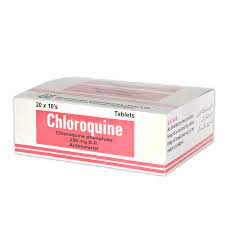
Chloroquine is a medication that has been used for many years to prevent and treat malaria. It is also used to treat certain autoimmune diseases such as rheumatoid arthritis and lupus. This article will discuss the uses, benefits, side effects, and warnings associated with chloroquine.
Uses
Chloroquine is primarily used to prevent and treat malaria, a mosquito-borne infectious disease. It works by killing the parasites that cause malaria, preventing the infection from spreading in the body. In addition to its antimalarial properties, chloroquine is also used to treat autoimmune diseases such as rheumatoid arthritis and lupus. It helps to reduce pain, swelling, and joint stiffness associated with these conditions.
Benefits
The benefits of chloroquine are primarily related to its effectiveness in preventing and treating malaria. It has been widely used for decades and has proven to be highly effective in regions where malaria is prevalent. Additionally, chloroquine has shown promising results in the treatment of autoimmune diseases, providing relief from the symptoms and improving the quality of life for those affected.
Side Effects
While chloroquine can be highly beneficial, it is not without its side effects. Common side effects may include nausea, vomiting, diarrhea, and stomach cramps. These side effects are usually mild and go away on their own. However, if they persist or worsen, it is important to consult a healthcare professional. In rare cases, chloroquine can cause more severe side effects such as vision changes, muscle weakness, and hearing loss. If you experience any of these symptoms, seek immediate medical attention.
Warnings
Chloroquine should be used with caution, especially in individuals with certain medical conditions. It is important to inform your healthcare provider if you have a history of liver disease, heart problems, or any other serious health conditions. Additionally, certain medications may interact with chloroquine, so it is crucial to disclose all medications you are currently taking. Chloroquine should not be used by individuals who are allergic to the medication or have a history of retinal or vision problems.
Pregnant women and nursing mothers should also exercise caution when using chloroquine. While it is generally considered safe for use during pregnancy, it is advisable to consult with a healthcare professional before starting or continuing the medication. Chloroquine can pass into breast milk and may have adverse effects on the infant, so it is important to discuss the potential risks and benefits with a doctor.
FAQs
Yes, chloroquine is commonly used as a preventive measure against malaria in regions where the disease is prevalent. It is important to follow the prescribed dosage and take it regularly to ensure maximum effectiveness.
Chloroquine usually starts working within a few hours of taking the medication. However, it may take several days or weeks to fully eliminate the parasites and resolve the symptoms associated with malaria or autoimmune diseases.
There are no specific dietary restrictions associated with chloroquine. However, it is generally recommended to take the medication with food or milk to minimize stomach upset.
Chloroquine can be used in children, but the dosage will be adjusted based on their weight. It is important to follow the healthcare provider’s instructions and consult with a pediatrician before administering chloroquine to children.
Chloroquine has been investigated as a potential treatment for COVID-19, but its effectiveness and safety in this context are still being studied. It is important to rely on current medical guidelines and consult with a healthcare professional for the most accurate information regarding the use of chloroquine for COVID-19.