Uses
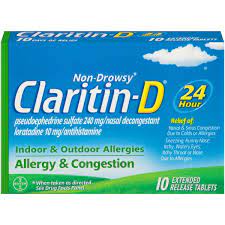
Claritin-D is a medication commonly used to treat symptoms related to allergies and hay fever. It works by reducing the effects of histamine, a natural substance produced by our body when we are exposed to allergens like pollen, dust mites, pet dander, and mold. By reducing histamine levels, Claritin-D effectively alleviates symptoms such as sneezing, itching, watery eyes, and runny nose.
Benefits
The main benefit of Claritin-D is its effective relief from allergy symptoms. It provides quick relief and helps individuals maintain a more comfortable and productive daily routine. By reducing allergy symptoms, Claritin-D can also improve sleep quality, enhance concentration, and reduce fatigue caused by constant sneezing, itching, and nasal congestion. Additionally, this medication is non-drowsy, which means it does not cause drowsiness and allows individuals to go about their day without feeling tired or sluggish.
Side Effects
While Claritin-D is generally safe and well-tolerated, it may cause certain side effects in some individuals. The most common side effects include dry mouth, headache, dizziness, nervousness, and difficulty sleeping. These side effects are usually mild and temporary, disappearing as the body adjusts to the medication. However, if any of these side effects persist or worsen, it is important to consult a healthcare professional for further guidance.
Rarely, Claritin-D may cause more serious side effects such as increased heart rate, elevated blood pressure, or allergic reactions. If you experience chest pain, irregular heartbeat, difficulty urinating, or severe skin rash, seek immediate medical attention. It is crucial to carefully follow the dosage instructions provided by your healthcare professional to minimize the risk of side effects.
Warnings
Before using Claritin-D, it is important to discuss your medical history with your healthcare provider, especially if you have a history of certain conditions such as high blood pressure, glaucoma, heart problems, kidney disease, or an overactive thyroid. The medication may not be suitable for individuals with these conditions, and alternative treatment options may be considered.
Additionally, Claritin-D can interact with certain medications such as monoamine oxidase inhibitors (MAOIs), used in the treatment of depression, or medications that contain pseudoephedrine. These interactions can lead to serious health complications, including increased blood pressure. Inform your doctor about any medications you are currently taking to ensure they will not interfere with the safe use of Claritin-D.
It is also essential to avoid consuming excessive amounts of caffeinated beverages or stimulants while taking Claritin-D, as these can increase the risk of adverse effects on the cardiovascular system.
FAQs about Claritin D
No, Claritin-D is not typically recommended for treating symptoms of the common cold. It is specifically formulated to alleviate symptoms related to allergies and hay fever.
You should discuss this with your healthcare provider. While Claritin-D may not be suitable for individuals with high blood pressure, your doctor can recommend alternative options that are safe for you.
It is generally not recommended to take other allergy medications containing antihistamines along with Claritin-D, as it can increase the risk of side effects. However, consult your doctor or pharmacist for personalized advice.
No, Claritin-D is a non-drowsy medication. It is specifically designed to provide relief from allergy symptoms without causing drowsiness.
Claritin-D may not be suitable for children. It is essential to consult a pediatrician or healthcare professional to ensure correct dosage and safety for children.