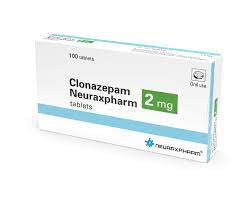
Clonazepam, also known by its brand name Klonopin, is a medication prescribed to treat certain types of seizures, panic disorder, and various anxiety disorders. It belongs to a class of drugs called benzodiazepines, which work by enhancing the effects of a neurotransmitter in the brain called GABA. This article explores the uses, benefits, side effects, and warnings associated with Clonazepam.
Uses
Clonazepam is primarily prescribed to manage the following conditions:
1. Seizures: It is commonly used to control certain types of seizures, including absence seizures, myoclonic seizures, and akinetic seizures in individuals with epilepsy. Clonazepam helps reduce the frequency and severity of these seizures by stabilizing the electrical activity in the brain.
2. Panic Disorder: Clonazepam is effective in the treatment of panic disorder, a type of anxiety disorder characterized by sudden and recurrent episodes of intense fear, often accompanied by physical symptoms such as a racing heart, shortness of breath, and sweating. It helps alleviate the frequency and severity of panic attacks, promoting a sense of calm.
3. Generalized Anxiety Disorder (GAD): Individuals with GAD experience excessive, persistent worry and anxiety about everyday situations and events. Clonazepam helps manage the symptoms of GAD by reducing anxious thoughts, restlessness, and physical tension.
4. Social Anxiety Disorder: Commonly referred to as social phobia, this condition involves intense anxiety and fear of social situations. Clonazepam can be prescribed to help individuals manage their social anxiety symptoms, enabling them to participate in social activities with greater ease.
Benefits
The use of Clonazepam can offer various benefits to individuals suffering from the aforementioned conditions:
1. Symptom Relief: Clonazepam helps alleviate symptoms associated with seizures, panic disorder, and anxiety disorders, reducing the overall impact these conditions have on an individual’s daily life.
2. Improved Quality of Life: By managing and controlling the symptoms of these disorders, Clonazepam can enhance an individual’s quality of life, allowing them to engage in activities they may have previously avoided due to fear or anxiety.
3. Enhanced Mental Well-being: The medication’s calming effect can lead to improved mental well-being, reducing feelings of restlessness, tension, and worry. This can positively impact an individual’s mood, sleep, and overall mental health.
Side Effects
While Clonazepam can provide therapeutic benefits, it is essential to be aware of potential side effects that may occur. Common side effects associated with Clonazepam include:
1. Drowsiness or Sedation: Clonazepam has a sedating effect, which can cause drowsiness, sleepiness, or reduced alertness. It is important to avoid activities that require focus and concentration, such as driving or operating heavy machinery, until you know how Clonazepam affects you.
2. Cognitive Impairment: Some individuals may experience cognitive impairment while taking Clonazepam, including difficulties with memory, concentration, and coordination. It is recommended to use caution and report any concerning changes to your healthcare provider.
3. Withdrawal Symptoms: Abruptly stopping Clonazepam after long-term use can lead to withdrawal symptoms such as irritability, anxiety, insomnia, increased heart rate, and seizures. Withdrawal should be done under medical supervision with a gradual tapering of the medication.
Warnings
Certain precautions and warnings should be considered when using Clonazepam:
1. Dependency and Addiction: Clonazepam has the potential for dependency and addiction, especially when used for prolonged periods or at high doses. It is crucial to follow the prescribed dosage and duration of use to minimize the risk of dependence.
2. Respiratory Depression: Clonazepam can depress respiratory function, particularly when combined with other sedatives or alcohol. Avoid consuming alcohol while taking Clonazepam and inform your healthcare provider about all medications you are currently taking.
3. Suicidal Thoughts: Clonazepam and other benzodiazepines may increase the risk of suicidal thoughts, especially in individuals with a history of depression or a mental health condition. Regular monitoring by a healthcare professional is essential during treatment.
4. Pregnancy and Breastfeeding: Clonazepam may pose risks to the developing fetus, and it can pass into breast milk. Inform your healthcare provider if you are pregnant or planning to become pregnant, as well as if you are breastfeeding.
5. Allergic Reactions: Some individuals may experience allergic reactions to Clonazepam, such as rash, itching, swelling, or difficulty breathing. Seek immediate medical attention if you experience these symptoms.
FAQs
It is not recommended to abruptly stop taking Clonazepam, as it can lead to withdrawal symptoms. Consult your healthcare provider for guidance on gradually tapering off the medication.
Clonazepam may interact with certain medications, including other benzodiazepines, opioids, antidepressants, and anticonvulsants. Inform your healthcare provider about all the medications you are taking to avoid potential interactions.
The onset of action for Clonazepam varies from person to person. It generally starts working within 1-2 hours after ingestion, with the full effects experienced within a few days to a week.
Clonazepam may be prescribed off-label for short-term treatment of insomnia. However, long-term use for insomnia is generally not recommended due to the risk of tolerance and dependence.
Elderly individuals may be more sensitive to the sedative effects of Clonazepam, increasing the risk of falls and cognitive impairment. A lower starting dose is typically recommended for this population.