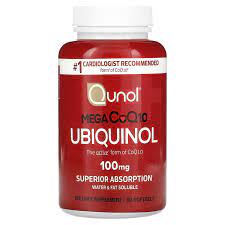
Coenzyme Q10 Ubiquinol is a naturally occurring compound that plays a vital role in the production of energy in the body. It is also known as just Ubiquinol or CoQ10. This article explores the various uses, benefits, side effects, and warnings associated with this medicine.
Uses
Coenzyme Q10 Ubiquinol has a wide range of uses, including:
1. Heart Health: Many studies suggest that CoQ10 Ubiquinol may be beneficial in maintaining a healthy heart. It is believed to help improve heart function, reduce blood pressure, and lower the risk of heart-related conditions.
2. Energy Production: CoQ10 Ubiquinol plays a vital role in the production of energy in every cell of the body. It helps convert food into adenosine triphosphate (ATP), which is the primary source of energy for cellular functions.
3. Antioxidant Properties: Coenzyme Q10 Ubiquinol acts as a potent antioxidant, protecting the body from damage caused by free radicals. It helps neutralize these harmful molecules and reduces oxidative stress, which may benefit overall health and well-being.
4. Neurological Health: Some research suggests that CoQ10 Ubiquinol may have neuroprotective properties. It may help slow down the progression of certain neurodegenerative diseases, such as Parkinson’s and Alzheimer’s.
5. Fertility: CoQ10 Ubiquinol has been found to improve sperm quality and motility in men, which may increase fertility. In women, it may enhance egg quality and support reproductive health.
Benefits
The benefits of Coenzyme Q10 Ubiquinol include:
1. Improved Energy Levels: CoQ10 Ubiquinol is essential for energy production in the body. Supplementing with this compound may help boost energy levels, especially in individuals with low CoQ10 levels.
2. Enhanced Heart Health: CoQ10 Ubiquinol may help improve heart function, reduce the risk of heart-related conditions, and promote overall cardiovascular health.
3. Antioxidant Protection: As a potent antioxidant, CoQ10 Ubiquinol helps protect cells from damage caused by free radicals, which are known to contribute to various health issues, including aging and chronic diseases.
4. Neuroprotective Effects: Research suggests that CoQ10 Ubiquinol may have neuroprotective properties, potentially slowing down the progression of certain neurological disorders.
5. Fertility Support: CoQ10 Ubiquinol has been linked to improved sperm quality and motility in men. In women, it may enhance egg quality and support reproductive health.
Side Effects
While Coenzyme Q10 Ubiquinol is generally considered safe for most individuals, some people may experience mild side effects, including:
1. Upset Stomach: Some individuals may experience mild gastrointestinal discomfort, such as nausea, diarrhea, or stomach cramps.
2. Headaches: CoQ10 Ubiquinol can sometimes cause headaches or migraines, although this side effect is relatively rare.
3. Insomnia: In rare cases, CoQ10 Ubiquinol supplementation may interfere with sleep patterns and cause insomnia.
4. Allergic Reactions: Some individuals may be allergic to CoQ10 Ubiquinol, resulting in symptoms such as rash, itching, or swelling. It is essential to discontinue use if any allergic reactions occur.
5. Interactions with Medications: CoQ10 Ubiquinol may interact with certain medications, such as blood thinners, beta-blockers, and chemotherapy drugs. It is crucial to consult a healthcare professional before starting any new supplement if you are taking medications.
Warnings
1. Pregnancy and Breastfeeding: Limited research is available on the safety of CoQ10 Ubiquinol during pregnancy and breastfeeding. It is advisable to consult with a healthcare professional before using this supplement if you are pregnant or nursing.
2. Surgery: CoQ10 Ubiquinol may interact with anesthesia and other medications used during surgery. It is recommended to stop using this supplement at least two weeks before any scheduled surgical procedure.
3. Children: The safety and efficacy of CoQ10 Ubiquinol in children have not been thoroughly studied. It is advisable to consult with a pediatrician before administering this supplement to children.
4. Underlying Health Conditions: Individuals with underlying health conditions, such as liver disease, kidney disease, or diabetes, should exercise caution when using CoQ10 Ubiquinol. It is crucial to consult with a healthcare professional before starting any new supplement.
5. Dosage: It is important to follow the recommended dosage guidelines provided by the manufacturer or healthcare professional. Taking excessive amounts of CoQ10 Ubiquinol may lead to adverse effects.
FAQs
It is advisable to consult with a healthcare professional before combining CoQ10 Ubiquinol with other medications, as it may interact with certain drugs, including blood thinners and chemotherapy medications.
The time it takes to experience the benefits of CoQ10 Ubiquinol may vary among individuals. Some people may notice improvements in energy levels and overall well-being within a few weeks, while others may take longer to observe significant changes.
CoQ10 Ubiquinol is naturally present in small amounts in certain foods, including organ meats, fatty fish, and whole grains. However, it can be challenging to obtain sufficient levels through diet alone, which is why supplementation is often recommended.
While CoQ10 Ubiquinol may indirectly support weight loss by promoting overall health and energy levels, it is not specifically designed or proven to be a weight loss supplement. It is important to maintain a balanced diet and engage in regular physical activity for sustainable weight loss.
CoQ10 Ubiquinol is generally considered safe for long-term use when taken at recommended dosages. However, it is advisable to consult with a healthcare professional to ensure it is suitable for your specific health needs. Regular monitoring and follow-up may also be recommended.






