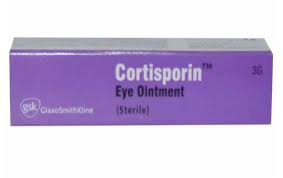
Cortisporin Ophthalmic Eye is a medication that is commonly prescribed for the treatment of various eye conditions. It is a combination of two antibiotics, neomycin and polymyxin B, along with the anti-inflammatory drug, hydrocortisone. This article will explore the uses, benefits, side effects, and warnings associated with Cortisporin Ophthalmic Eye.
Uses
Cortisporin Ophthalmic Eye is primarily used to treat bacterial eye infections. It is effective against a wide range of bacteria that can cause conjunctivitis, also known as pink eye. Conjunctivitis is a common condition characterized by redness, itching, and discharge from the eyes. This medication helps to alleviate these symptoms by fighting the underlying bacterial infection.
In addition to treating conjunctivitis, Cortisporin Ophthalmic Eye can also be used to treat other eye infections, such as blepharitis (inflammation of the eyelids) and keratitis (inflammation of the cornea). It is important to note that this medication should only be used as directed by a healthcare professional.
Benefits
The combination of antibiotics and hydrocortisone in Cortisporin Ophthalmic Eye provides several benefits for patients. The antibiotics help to eliminate the bacteria causing the infection, while hydrocortisone reduces inflammation and relieves discomfort. This combination of ingredients allows for a more comprehensive treatment approach, targeting both the underlying infection and the associated symptoms.
By using Cortisporin Ophthalmic Eye, patients can experience relief from symptoms such as redness, itching, and discharge. The medication also helps to prevent the spread of the infection to other individuals, as it effectively combats the bacteria responsible for conjunctivitis.
Side Effects
As with any medication, Cortisporin Ophthalmic Eye may cause side effects in some individuals. Common side effects include temporary stinging or burning in the eyes upon application. This usually subsides quickly and is not a cause for concern.
Rarely, individuals may experience an allergic reaction to Cortisporin Ophthalmic Eye. Signs of an allergic reaction include severe itching, swelling, or difficulty breathing. If these symptoms occur, immediate medical attention should be sought.
It is important to inform your healthcare professional of any existing medical conditions or allergies before using Cortisporin Ophthalmic Eye to minimize the risk of side effects.
Warnings
There are a few important warnings associated with the use of Cortisporin Ophthalmic Eye. Firstly, this medication should not be used if you have a viral or fungal eye infection, as it is only effective against bacterial infections.
It is also essential to follow the prescribed dosage and duration of treatment. Overuse or misuse of Cortisporin Ophthalmic Eye can lead to antibiotic resistance, making future infections more difficult to treat. If symptoms persist or worsen, it is important to consult your healthcare professional.
Furthermore, Cortisporin Ophthalmic Eye should not be used in individuals who are allergic to any of its ingredients or other similar medications. Always read the package insert or consult a healthcare professional if you are unsure about any potential allergies.
FAQs
No, Cortisporin Ophthalmic Eye is only effective against bacterial eye infections. It should not be used for viral or fungal eye infections.
The relief of symptoms varies from person to person. In general, improvement can be seen within a few days of starting treatment.
It is recommended to remove contact lenses before applying Cortisporin Ophthalmic Eye. You can reinsert them 15 minutes after applying the medication.
Cortisporin Ophthalmic Eye can be used in children, but it is important to consult a healthcare professional for proper dosage and guidance.
When used as directed, Cortisporin Ophthalmic Eye is generally safe. However, prolonged or excessive use may increase the risk of side effects. It is important to follow the prescribed dosage and duration of treatment.