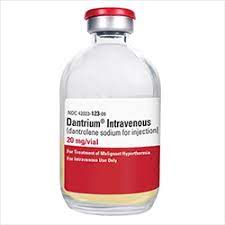
Dantrolene sodium, commonly known as Dantrium, is a medication used to treat conditions related to muscle spasms or muscular disorders. The drug has been available since the 1970s and has been found to be effective in treating many musculoskeletal conditions. In this article, we will explore the uses, benefits, side effects, and warnings of Dantrolene sodium (Dantrium).
Uses of Dantrium
Dantrium works by blocking a chemical that triggers muscle contractions, making it an effective treatment for muscle spasms. The drug is primarily used to treat the following conditions:
- Spasticity causing muscle spasms due to brain or spinal cord injuries
- Muscle spasms and cramps associated with multiple sclerosis
- Chronic spasticity due to cerebrovascular disorders like a stroke
- Other severe muscle diseases like malignant hyperthermia and dystonia
Benefits of Dantrium
The use of Dantrium has many benefits for patients suffering from muscle disorders. The drug is a muscle relaxant, so it helps reduce muscle stiffness and spasms, which can cause pain and discomfort. The reduction in muscle stiffness also helps patients to improve their range of motion and overall mobility. Dantrium can significantly improve the quality of life for individuals suffering from muscle disorders.
Side Effects of Dantrium
Like many medications, Dantrium can cause side effects. The most common side effects include:
- Dizziness
- Drowsiness
- Fatigue
- Weakness
- Diarrhea
- Nausea
- Headache
- Loss of appetite
- Abdominal pain
- Weight gain
These side effects are usually mild and can subside as the body adjusts to the medication. However, if these side effects persist or become severe, a healthcare provider should be consulted immediately.
Warnings of Dantrium
Before taking Dantrium, patients and healthcare providers should be aware of several warnings. First, Dantrium should not be used in patients who are allergic to dantrolene. Second, the medication should not be used in individuals who have liver diseases, as Dantrium may worsen liver function. Third, patients should be cautioned against consuming alcohol while taking this medication.
Dantrium can also cause breathing problems, especially in individuals with respiratory muscle weakness. It is essential to discuss this condition with a healthcare provider before taking Dantrium. The medication can also interact with other drugs, including sedatives, tranquilizers, and antipsychotics, leading to drowsiness or impaired breathing.
conclusion
In conclusion, Dantrium is an effective medication used to treat various muscle disorders. It is essential to be aware of the drug’s uses, benefits, side effects, and warnings before taking it. If any side effects occur or persist, it is necessary to consult a healthcare provider immediately.
FAQs
No, Dantrium is not addictive as it does not contain any substances that can cause addiction.
Patients taking Dantrium should avoid driving or operating heavy machinery as the medication may cause drowsiness or temporary vision problems.
There is limited information on the use of Dantrium during pregnancy, and pregnant women should avoid using this medication unless required by medical necessity.
No, patients should not stop taking Dantrium without consulting their healthcare providers. Stopping the medication suddenly may cause withdrawal symptoms like muscle stiffness, fever, and sweating.
No, patients should not stop taking Dantrium without consulting their healthcare providers. Stopping the medication suddenly may cause withdrawal symptoms like muscle stiffness, fever, and sweating.