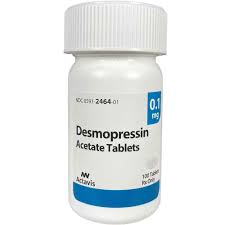
Desmopressin is a medication that is commonly prescribed to individuals with diabetes insipidus, nocturnal enuresis (bedwetting), and von Willebrand disease. It works by replacing a hormone in the body called vasopressin, which helps regulate the balance of water in the body.
Readers often compare this with Hemgenix, which we cover separately.
Uses
Diabetes insipidus: Desmopressin is widely used to treat diabetes insipidus, a condition characterized by excessive thirst and the production of large volumes of dilute urine. It helps in reducing the amount of urine produced, relieving symptoms of frequent urination and dehydration.
Nocturnal enuresis: Bedwetting can affect both children and adults, causing embarrassment and disruption of sleep. Desmopressin is effective in reducing bedwetting episodes by decreasing the production of urine during nighttime.
Von Willebrand disease: Desmopressin is also used to treat von Willebrand disease, a bleeding disorder that affects the ability of blood to clot properly. By increasing the release of von Willebrand factor, it helps control bleeding episodes in individuals with this condition.
Benefits
Desmopressin offers several benefits to those with diabetes insipidus, nocturnal enuresis, and von Willebrand disease. Some of the key benefits include:
Improved quality of life: By reducing excessive urine production and tackling bedwetting, Desmopressin provides relief to individuals suffering from associated symptoms and improves their overall quality of life.
Control of bleeding episodes: For individuals with von Willebrand disease, Desmopressin helps prevent excessive bleeding during surgeries or dental procedures, allowing them to undergo necessary treatments with reduced risks.
Side Effects
While Desmopressin is generally safe to use, some individuals may experience side effects. It is important to be aware of these potential side effects, which may include:
Headache: Some individuals may experience headaches after taking Desmopressin. This side effect is generally mild and temporary.
Nausea and vomiting: In rare cases, Desmopressin may cause nausea or vomiting. If these symptoms persist or worsen, medical attention should be sought.
Nasal irritation: Desmopressin is commonly administered through a nasal spray. It may cause nasal irritation, leading to a runny or stuffy nose. If this side effect becomes bothersome, alternative formulations may be considered.
Water retention and hyponatremia: Excessive use or overdosing of Desmopressin can lead to water retention and low levels of sodium in the blood. This can cause swelling, headaches, confusion, and in severe cases, seizures. It is crucial to follow the prescribed dosage and consult with a healthcare professional if any concerning symptoms arise.
Warnings
Desmopressin is a medication that should be used with caution, and certain precautions should be noted:
Allergy: Individuals with a known allergy to Desmopressin or a similar medication should not use it. It is important to inform your healthcare provider of any allergies before starting treatment.
Existing medical conditions: Individuals with specific medical conditions, including heart disease, kidney disease, and high blood pressure, should use Desmopressin cautiously and under the guidance of a healthcare professional.
Pregnancy and breastfeeding: The use of Desmopressin during pregnancy and breastfeeding should be discussed with a healthcare professional. The potential benefits and risks should be weighed before considering its use.
Interactions with other medications: Desmopressin may interact with certain medications, including antidepressants, diuretics, and NSAIDs (nonsteroidal anti-inflammatory drugs). It is important to disclose all current medications to a healthcare professional before starting Desmopressin.
FAQs
Desmopressin is primarily used for diabetes insipidus, nocturnal enuresis, and von Willebrand disease. However, it is important to consult with a healthcare professional for diagnosis and appropriate treatment options for any specific medical conditions.
The onset of action for Desmopressin varies depending on the condition being treated. It may take a few days to a few weeks for the full effects to be noticed. It is important to follow the prescribed dosage and consult with a healthcare professional for guidance.
Desmopressin is available in various formulations, including nasal sprays, tablets, and injections. The appropriate formulation will be determined by a healthcare professional based on the individual’s condition and needs.
If a dose of Desmopressin is missed, it is important to take it as soon as possible. However, if it is close to the time for the next scheduled dose, the missed dose should be skipped to avoid doubling up on medication. It is important to consult with a healthcare professional for further guidance.
Desmopressin can be used to treat bedwetting in children, but the appropriate dosage should be determined by a healthcare professional based on the child’s age and weight. It is important to follow the prescribed dosage and consult with a healthcare professional for guidance.