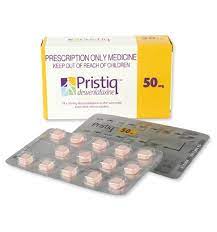
Desvenlafaxine is a medication that belongs to the class of drugs known as selective serotonin and norepinephrine reuptake inhibitors (SNRIs). It is primarily used to treat major depressive disorder (MDD) in adults. This article aims to provide an overview of Desvenlafaxine, including its uses, benefits, side effects, and warnings.
Uses
Desvenlafaxine is primarily prescribed to treat MDD. It works by increasing the levels of serotonin and norepinephrine in the brain, which helps improve mood, energy levels, and overall well-being. Additionally, Desvenlafaxine may also be used for other conditions as determined by a healthcare professional.
Benefits
The benefits of Desvenlafaxine are primarily seen in individuals suffering from MDD. It helps alleviate the symptoms of depression, such as persistent feelings of sadness, loss of interest in activities, changes in appetite, sleep disturbances, and difficulty concentrating. By improving mood and overall mental health, Desvenlafaxine enables individuals to regain their daily functioning and quality of life.
Side Effects
Like any medication, Desvenlafaxine may cause certain side effects in some individuals. Common side effects include nausea, dizziness, dry mouth, constipation, sweating, and decreased appetite. These side effects are generally mild and temporary, but if they persist or worsen, it is essential to consult a healthcare professional.
In rare cases, Desvenlafaxine may cause more severe side effects, such as severe allergic reactions, changes in blood pressure, abnormal bleeding, unusual bruising, and vision changes. If any of these serious side effects occur, immediate medical attention should be sought.
Warnings
It is important to be aware of specific warnings related to the use of Desvenlafaxine. This medication should not be taken by individuals allergic to Desvenlafaxine or any of its components. Moreover, Desvenlafaxine should not be used concurrently with or within two weeks of discontinuing monoamine oxidase inhibitors (MAOIs), as it may lead to a potentially life-threatening condition known as serotonin syndrome.
Desvenlafaxine may also interact with other medications, such as certain antidepressants, antiplatelet drugs, blood thinners, antipsychotics, and herbal supplements. Therefore, it is crucial to inform a healthcare professional about all current medications and medical conditions before starting Desvenlafaxine.
Another important warning is that Desvenlafaxine may increase the risk of suicidal thoughts or behaviors, especially in individuals under the age of 25. Close monitoring by a healthcare professional is necessary, particularly during the initial stages of treatment.
FAQs
Desvenlafaxine is primarily used to treat major depressive disorder in adults. Its use for other conditions should be determined by a healthcare professional.
Most side effects of Desvenlafaxine are mild and temporary. However, in rare cases, more severe side effects may occur. If you experience any concerning side effects, consult a healthcare professional.
Yes, Desvenlafaxine may interact with certain medications, such as antidepressants, blood thinners, and antipsychotics. It is crucial to inform your healthcare professional about all current medications before starting Desvenlafaxine.
Desvenlafaxine is typically not recommended for individuals under the age of 18. Consult a healthcare professional for suitable alternatives.
Desvenlafaxine may increase the risk of suicidal thoughts or behaviors, especially in individuals under the age of 25. Close monitoring by a healthcare professional is necessary during the initial stages of treatment.