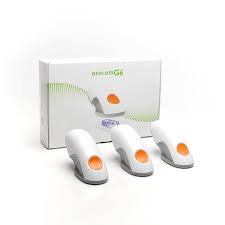
Dexcom G6 is a continuous glucose monitoring (CGM) device that measures glucose levels via a small sensor inserted under the skin. The device continuously transmits glucose data to a receiver or smartphone app, providing real-time glucose readings and alerts for people with diabetes. Dexcom G6 is a popular option for diabetes management, but it is important to understand its uses, benefits, side effects, and warnings before use.
Uses
Dexcom G6 is primarily used for people with diabetes who require insulin therapy to manage their glucose levels. The device provides the user with real-time glucose readings and alerts, allowing for more informed decisions about insulin dosing and adjustments. Dexcom G6 can also be used to monitor glucose levels during physical activity, overnight, and in situations where conventional glucose monitoring is not feasible or practical.
Benefits
Dexcom G6 has several benefits for people with diabetes, including:
- Real-time glucose readings and alerts
- Ability to see trends and patterns in glucose levels over time
- Reduced need for fingerstick glucose monitoring
- Improved glycemic control
- Enhanced safety during physical activity or overnight
Side Effects
Like any medical device, Dexcom G6 has potential side effects. The most common side effects include:
- Skin irritation or allergic reactions at the sensor insertion site
- Incorrect glucose readings due to sensor malfunctions or calibration errors
- Device failure or malfunction
It is important to note that the risk for these side effects is relatively low, and many people with diabetes experience no adverse effects from using Dexcom G6.
Warnings
Dexcom G6 has several warnings that users should be aware of:
- The device is not intended to replace conventional glucose monitoring methods or regular doctor visits
- The device should not be used in critically ill patients or those experiencing severe dehydration or high ketone levels
- Interference from electromagnetic fields can affect device performance
- Pregnant women should consult with their healthcare provider before using Dexcom G6
FAQs
Yes, Dexcom G6 is designed to be worn during physical activity and can provide real-time glucose monitoring during exercise.
No, Dexcom G6 does not require calibration via fingerstick glucose monitoring, as the device is factory calibrated and does not require user calibration. However, users should still periodically check their glucose levels via conventional monitoring methods.
Dexcom G6 is water-resistant and can withstand showering, swimming, and other water-related activities. However, users should avoid prolonged exposure to water and follow proper device care instructions.
Yes, Dexcom G6 can be used by children as young as two years old with adult supervision. Parents or guardians should consult with their healthcare provider to determine if Dexcom G6 is appropriate for their child.
Yes, Dexcom G6 requires a prescription from a healthcare provider in most countries. Users should consult with their healthcare provider to determine if Dexcom G6 is appropriate for their diabetes management plan.
Overall, Dexcom G6 is a valuable tool for people with diabetes to manage their glucose levels. However, as with any medical device, users should be aware of its uses, benefits, side effects, and warnings before use. Consultation with a healthcare provider is also recommended to determine if Dexcom G6 is appropriate for individual diabetes management needs.