Uses
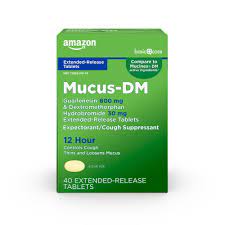
Dextromethorphan-Guaifenesin is a combination medication that is used to provide relief for symptoms associated with coughs and respiratory congestion. It is commonly prescribed to treat coughing caused by conditions such as the common cold, bronchitis, sinusitis, or asthma. Dextromethorphan, which is a cough suppressant, works by reducing the urge to cough, while guaifenesin, an expectorant, helps to loosen and thin mucus, making it easier to cough out.
Benefits
The combination of dextromethorphan and guaifenesin in this medication offers several benefits. It helps to alleviate coughing, making it easier for individuals to sleep and function throughout the day. By reducing coughing and loosening mucus, it also helps to clear the airways, providing relief from respiratory congestion. Additionally, dextromethorphan-guaifenesin is available in various formulations, such as liquids and tablets, making it convenient for individuals of different age groups.
Side Effects
Like any medication, dextromethorphan-guaifenesin may cause side effects, although not everyone experiences them. Common side effects include dizziness, drowsiness, nausea, upset stomach, and allergic reactions such as rash or itching. It is important to note that these side effects are generally rare and mild. However, if any of these side effects persist or worsen, it is essential to consult a healthcare professional.
Warnings
While dextromethorphan-guaifenesin is generally safe, there are certain precautions and warnings to consider before using this medication. It is important to inform your healthcare provider about any existing medical conditions, allergies, or medications you are currently taking. Individuals with high blood pressure, diabetes, heart disease, thyroid problems, or liver disease should exercise caution when using this medicine. It is advisable to avoid alcohol consumption during treatment, as it may increase the risk of side effects. Pregnant or breastfeeding individuals should consult a healthcare professional before starting this medication.
FAQs
While dextromethorphan-guaifenesin can offer symptom relief, it is important to note that it does not treat the underlying cause of the cough, especially if it is caused by a viral infection. It is recommended to consult a healthcare professional to determine the most appropriate treatment.
The onset and duration of relief may vary from person to person. While some individuals may experience relief within 30 minutes of taking the medication, others may require a longer duration. It is important to follow the recommended dosage and if symptoms persist or worsen, consult a healthcare professional.
Dextromethorphan-guaifenesin is available in various formulations suitable for different age groups. However, it is important to use caution and follow appropriate dosage instructions for children. It is advisable to consult a healthcare professional before administering this medication to children.
It is important to inform your healthcare provider about all the medications you are currently taking, including over-the-counter drugs and supplements. Certain medications may interact with the components of dextromethorphan-guaifenesin, leading to potential side effects or reduced effectiveness. It is essential to seek medical advice before combining medications.
Dextromethorphan-guaifenesin may cause drowsiness or dizziness as side effects. Therefore, it is advisable to exercise caution while driving or operating heavy machinery until you know how this medication affects you personally. It is recommended to avoid activities that require full attention until you are familiar with the medication’s effects on your body.
In conclusion, dextromethorphan-guaifenesin is a combination medication commonly used to treat coughs and respiratory congestion. It provides relief by suppressing coughs and loosening mucus. While generally safe, it is essential to be aware of potential side effects and follow the recommended dosage. If symptoms persist or worsen, it is important to seek medical advice.