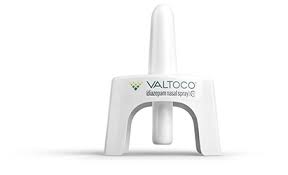
Diazepam Nasal is a medication used to treat acute repetitive seizures in adults and children with epilepsy. The medicine contains diazepam, which belongs to a class of drugs known as benzodiazepines. Diazepam works by calming the brain and nerves, resulting in a decrease in seizure activity. This article will explore the uses, benefits, side effects, and warnings associated with Diazepam Nasal.
Uses
Diazepam Nasal is primarily used to treat bouts of acute repetitive seizures, also known as cluster seizures or serial seizures, in individuals with epilepsy. It is specifically designed for situations when the seizure activity is not controlled by other forms of medication. Diazepam Nasal is administered as a nasal spray, offering a rapid and effective way to manage seizure episodes.
Benefits
The main advantage of Diazepam Nasal is its quick onset of action. As a nasal spray, it bypasses the digestive system, allowing the medication to be absorbed rapidly through the nasal membranes. This leads to a faster response time compared to oral or rectal administration. Moreover, Diazepam Nasal is a convenient option for individuals who may have difficulty swallowing pills during a seizure episode.
Side Effects
Like any medication, Diazepam Nasal may cause side effects in some individuals. Common side effects include drowsiness, dizziness, headache, nasal discomfort, and nasal congestion. These side effects are usually mild and temporary. However, if they persist or worsen, it is essential to consult a healthcare professional. It is worth noting that serious side effects are rare, but they can occur. These may include allergic reactions, difficulty breathing, severe dizziness, or fainting. Immediate medical attention should be sought if any of these symptoms occur.
Warnings
Before using Diazepam Nasal, it is crucial to inform your healthcare provider about any allergies or medical conditions you may have, especially if you have a history of lung or breathing problems, glaucoma, liver disease, or substance abuse. Additionally, it is important to disclose all medications you are currently taking to avoid potential drug interactions. Diazepam Nasal may cause drowsiness, impairing your ability to drive or operate machinery. Therefore, it is advisable to avoid such activities until you know how the medication affects you.
It is essential to follow the prescribed dosage and administration instructions provided by your healthcare professional. Diazepam Nasal should only be used during an acute seizure episode and not as a routine treatment for epilepsy. If seizure activity continues after treatment, immediate medical attention is required.
FAQs
Diazepam Nasal is specifically designed for acute repetitive seizures and should not be used as a routine treatment for epilepsy. Consult your healthcare provider for long-term seizure management options.
Diazepam Nasal is rapidly absorbed through the nasal membranes, leading to a quick onset of action. Its effects are typically noticeable within a few minutes.
It is important to disclose all medications you are taking to your healthcare provider before using Diazepam Nasal to avoid potential drug interactions. Some drugs may enhance the sedative effects of Diazepam Nasal.
Diazepam Nasal is approved for use in both adults and children with epilepsy. However, the dosage and administration instructions may vary based on the age and weight of the child.
If seizure activity continues or worsens after using Diazepam Nasal, it is crucial to seek immediate medical attention. Your healthcare provider will determine the appropriate course of action.






