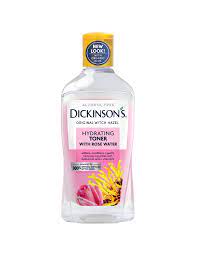
Dickinson’s Witch Hazel Topical is a well-known natural remedy that has been used for centuries for various skin conditions and ailments. Derived from the leaves and bark of the witch hazel shrub, this topical solution offers a wide range of benefits for those seeking a gentle and effective solution for their skin concerns. In this article, we will explore the uses, benefits, side effects, and warnings associated with Dickinson’s Witch Hazel Topical.
Uses
Dickinson’s Witch Hazel Topical is commonly used for the following purposes:
- Acne Treatment: Witch hazel possesses natural astringent properties that help reduce inflammation and minimize the appearance of acne. It can be applied directly to the affected area using a cotton pad.
- Skin Toner: Witch hazel acts as a natural toner by tightening the skin and reducing the appearance of pores. It can be used after cleansing the face to remove any residual dirt or makeup.
- Wound Healing: The anti-inflammatory and antimicrobial properties of witch hazel make it an excellent choice for promoting wound healing. It can be applied to minor cuts, scrapes, or bruises to soothe the skin and prevent infection.
- Relief from Skin Irritation: Witch hazel can provide relief from itching, inflammation, and irritation caused by conditions such as eczema, psoriasis, or insect bites.
- Sunburn Relief: The cooling and soothing effect of witch hazel can help relieve sunburned skin. Applying it gently over the affected area can provide comfort and aid in reducing redness.
Benefits
Dickinson’s Witch Hazel Topical offers numerous benefits for the skin:
- Natural Ingredients: Dickinson’s Witch Hazel Topical is made from all-natural ingredients, making it a safe and gentle option for those with sensitive skin.
- Non-Drying: Unlike many other acne treatments, witch hazel does not strip the skin of its natural oils, preventing excessive dryness and maintaining the skin’s moisture balance.
- Reduces Redness and Swelling: Witch hazel’s anti-inflammatory properties help reduce redness and swelling associated with acne, eczema, or other skin conditions.
- Minimizes Pore Size: Regular use of witch hazel as a toner can help tighten the skin and minimize the appearance of pores.
- Antimicrobial Action: Witch hazel has antimicrobial properties, which can help prevent the growth of bacteria on the skin and reduce the risk of infection.
Side Effects
While Dickinson’s Witch Hazel Topical is generally safe for most people, some individuals may experience mild side effects, including:
- Dryness or Flaking: Overuse of witch hazel can lead to dryness or flaking of the skin. It is recommended to start with a small amount and gradually increase if necessary.
- Stinging or Irritation: Some individuals may experience a stinging or burning sensation when applying witch hazel to sensitive or broken skin. It is advisable to perform a patch test before using it on larger areas.
Warnings
Although witch hazel is generally safe, it is important to keep the following precautions in mind:
- Avoid Eye Contact: Witch hazel should not come into contact with the eyes, as it can cause irritation. If accidental contact occurs, rinse thoroughly with water.
- Not for Internal Use: Dickinson’s Witch Hazel Topical is intended for external use only and should not be ingested. If ingested accidentally, seek medical attention immediately.
- Allergies: Individuals with known allergies to witch hazel or any of its components should avoid using this product.
- Consult a Doctor: If you have any underlying medical conditions or are pregnant or breastfeeding, it is advised to consult a healthcare professional before using witch hazel.
FAQs
Here are some frequently asked questions about Dickinson’s Witch Hazel Topical:
Yes, witch hazel is generally suitable for all skin types. However, individuals with extremely dry or sensitive skin should use it with caution and monitor for any adverse reactions.
While witch hazel can provide some hydration, it is not a substitute for a moisturizer. It is recommended to follow up with a moisturizer after using witch hazel, especially for individuals with dry skin.
If you are pregnant or breastfeeding, it is best to consult with your healthcare provider before using witch hazel or any other topical product.
Witch hazel can be used on minor open wounds to help clean and soothe the area. However, it is important to ensure that the wound is not deep or in need of medical attention.
While witch hazel is generally safe for use on children, it is recommended to consult with a pediatrician before using it on infants or young children.