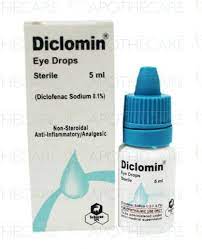
Diclofenac ophthalmic eye drops are a medication used to treat certain eye conditions and relieve associated symptoms. This article aims to provide information on the uses, benefits, side effects, and warnings of diclofenac ophthalmic eye drops.
Uses
Diclofenac ophthalmic eye drops are primarily used to treat inflammation and pain in the eyes caused by various conditions, including postoperative inflammation after cataract surgery. These drops work by reducing the production of certain substances in the body that cause inflammation and pain.
Benefits
The use of diclofenac ophthalmic eye drops can provide several benefits for individuals suffering from eye conditions. Some of the key benefits include:
- Reduced inflammation: Diclofenac eye drops help reduce inflammation in the eyes, providing relief from discomfort and pain.
- Pain relief: By reducing inflammation, diclofenac eye drops effectively alleviate pain associated with eye conditions.
- Faster healing: These eye drops can aid in faster healing after cataract surgery by reducing postoperative inflammation.
- Improved vision: By addressing inflammation and pain, diclofenac eye drops can contribute to improved overall vision.
Side Effects
While diclofenac ophthalmic eye drops are generally safe to use, they may cause certain side effects in some individuals. Common side effects include:
- Temporary stinging or burning sensation in the eyes
- Blurred vision
- Eye redness
- Watery eyes
- Eye irritation
These side effects are usually mild and subside on their own. However, if any of these side effects persist or worsen, it is important to seek medical attention.
Warnings
Before using diclofenac ophthalmic eye drops, individuals should be aware of the following warnings:
- Only for ophthalmic use: Diclofenac eye drops should only be used in the eyes and not ingested orally.
- Avoid contact lenses: It is recommended to remove contact lenses before using diclofenac eye drops and wait for at least 15 minutes before reinserting them.
- Inform your doctor: It is important to inform your healthcare provider about any existing medical conditions, allergies, or medications you are currently taking before using diclofenac eye drops.
- Pregnancy and breastfeeding: If pregnant or breastfeeding, consult a healthcare professional before using diclofenac eye drops.
- Do not drive or operate machinery: Diclofenac eye drops may cause blurred vision temporarily, so it is advisable to avoid activities that require clear vision until the effects wear off.
FAQs
No, diclofenac eye drops are not specifically intended for treating dry eyes. They are primarily used to reduce inflammation and pain caused by certain eye conditions.
The frequency of diclofenac eye drop usage may vary depending on the specific eye condition and the instructions provided by your healthcare provider. Generally, these drops are used 3 to 4 times a day or as directed by a doctor.
When used as directed, diclofenac eye drops are generally safe and do not cause long-term side effects. However, it is important to follow the recommended dosage and consult a healthcare provider if any concerns arise.
Prior to using diclofenac eye drops with other eye medications, it is advisable to consult with a healthcare professional. They can provide guidance on the appropriate use and potential interactions with other medications.
Diclofenac eye drops are generally not recommended for use in children without the guidance of a healthcare professional. Consult a pediatrician for appropriate recommendations.