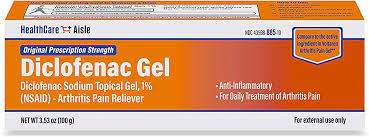
Diclofenac Sodium Gel is a topical medication used for its various therapeutic benefits. This article will explore its uses, potential benefits, as well as any associated side effects and warnings to consider before using this medicine.
The branded version is covered separately in our guide to Solaraze.
Uses
Diclofenac Sodium Gel is primarily used to reduce pain, swelling, and inflammation in conditions such as osteoarthritis and rheumatoid arthritis. It belongs to the class of medications known as nonsteroidal anti-inflammatory drugs (NSAIDs). Diclofenac Sodium Gel works by inhibiting the production of certain chemicals in the body that cause pain and inflammation.
Benefits
1. Pain Relief: Diclofenac Sodium Gel provides localized relief from pain associated with joint inflammation, making it particularly useful for individuals suffering from arthritis or related conditions.
2. Reduced Swelling: By targeting inflammation, the gel can help decrease swelling in affected areas, providing symptomatic relief to individuals experiencing discomfort or limited mobility.
3. Convenience: The topical formulation of diclofenac allows for easy application directly to the affected area, avoiding the need for oral medication. This localized treatment ensures that the active ingredient is delivered directly to the site of pain, maximizing its effectiveness.
Side Effects
While generally well-tolerated, diclofenac sodium gel may cause some side effects in certain individuals. It is essential to be aware of potential adverse reactions, which can include:
– Skin reactions such as rash, redness, or itching at the application site. If these symptoms persist or worsen, it is advisable to discontinue use and seek medical advice.
– Allergic reactions, although rare, may occur. These can manifest as hives, difficulty breathing, or swelling of the face or throat. Seek immediate medical attention if any signs of an allergic reaction become evident.
– Stomach or intestinal ulcers may develop, although it is rare with topical use. However, individuals with a history of these conditions should exercise caution and consult a healthcare professional before using Diclofenac Sodium Gel.
– Increased blood pressure may occur in some cases, especially when large areas of the body are treated or with prolonged use. Monitor blood pressure regularly if diclofenac gel is used extensively or if you have a pre-existing cardiovascular condition.
Warnings
Prior to using Diclofenac Sodium Gel, it is crucial to consider the following warnings:
– Known Allergies: Individuals allergic to diclofenac or other NSAIDs should avoid using diclofenac sodium gel as it may cause severe allergic reactions. It is important to inform your healthcare provider of any known allergies before starting this medication.
– Drug Interactions: Diclofenac Sodium Gel can interact with other systemic NSAIDs, oral corticosteroids, or medications that affect blood clotting. To avoid potential complications, inform your healthcare provider about all the medications you take, including over-the-counter drugs and herbal supplements.
– Pregnancy and Breastfeeding: Consult a healthcare professional before using diclofenac sodium gel if you are pregnant, planning to become pregnant, or breastfeeding. Limited data exist regarding the safety of this medication during these conditions, and a healthcare provider can provide guidance based on individual circumstances.
– Children and Elderly: The safety and efficacy of diclofenac sodium gel have not been established for children and elderly individuals. Exercise caution when considering its use in these age groups, and seek medical advice if necessary.
FAQs
Yes, diclofenac sodium gel can be used for muscle pain caused by inflammation. However, it is important to follow the recommended dosage and usage instructions provided by your healthcare provider.
Diclofenac sodium gel typically starts working within a few hours of application. However, the exact onset time may vary depending on the individual and the specific condition being treated.
No, diclofenac sodium gel should not be applied to open wounds or broken skin. It is designed for external use only on intact skin.
If diclofenac sodium gel is accidentally swallowed, seek medical attention immediately. Ingestion of this medication may lead to adverse effects.
It is generally recommended to avoid using multiple topical medications simultaneously without consulting a healthcare professional. They can provide guidance on potential drug interactions and ensure your safety.






