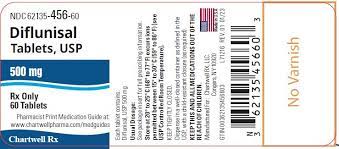
Diflunisal is a nonsteroidal anti-inflammatory drug (NSAID) that is mainly used to relieve pain, reduce inflammation, and treat conditions such as arthritis. It belongs to a class of medications known as salicylates, which work by blocking certain substances in the body that cause pain and inflammation. This article aims to provide a comprehensive overview of the uses, benefits, side effects, and warnings associated with Diflunisal.
Uses
Diflunisal is primarily used to alleviate mild to moderate pain caused by various conditions, including osteoarthritis, rheumatoid arthritis, ankylosing spondylitis, tendinitis, bursitis, and gout attacks. It can also help reduce pain and inflammation associated with menstrual cramps. This medication may be prescribed as a long-term treatment or on an as-needed basis, depending on the severity and duration of the pain.
Benefits
The primary benefit of Diflunisal is its ability to provide relief from pain and inflammation. By inhibiting the production of certain chemicals called prostaglandins, it helps reduce swelling, stiffness, and discomfort in affected areas. This medication can significantly improve the quality of life for individuals suffering from chronic pain conditions, allowing them to engage in daily activities with relative ease.
Side Effects
Like any medication, Diflunisal may cause certain side effects. While not everyone experiences these side effects, it is important to be aware of them. Common side effects include stomach upset, heartburn, nausea, vomiting, diarrhea, dizziness, headache, and drowsiness. If these side effects persist or worsen, it is advisable to consult a healthcare professional. In rare cases, more serious side effects such as allergic reactions, liver problems, kidney issues, and blood disorders may occur. Prompt medical attention should be sought if any of these severe side effects manifest.
Warnings
Before taking Diflunisal, it is crucial to consider certain precautions and warnings:
- Allergic Reactions: Individuals with a known allergy to NSAIDs or aspirin should avoid Diflunisal, as it may cause severe allergic reactions.
- Medical Conditions: Inform your healthcare provider of any pre-existing medical conditions, especially those related to the stomach, liver, kidneys, heart, blood disorders, asthma, nasal polyps, and high blood pressure.
- Interactions: Diflunisal may interact with certain medications, including blood thinners, diuretics, lithium, methotrexate, and other NSAIDs. It is essential to disclose all medications, including over-the-counter drugs and herbal supplements, to your healthcare provider.
- Pregnancy and Breastfeeding: Diflunisal may not be safe during pregnancy, especially in the third trimester. It can also pass into breast milk, potentially causing harm to the nursing infant. Consult a healthcare professional before using this medication if pregnant or breastfeeding.
- Elderly Population: The elderly are more susceptible to the side effects of Diflunisal, particularly gastrointestinal bleeding and ulcers. Close monitoring is necessary in this population.
conclusion
In conclusion, Diflunisal is a valuable medication for managing pain and inflammation associated with various conditions. However, it is essential to use this medication responsibly and be aware of potential side effects and warnings. Always consult a healthcare professional before starting or discontinuing any medication.
Frequently Asked Questions (FAQs)
Diflunisal is primarily used to manage moderate to severe pain. For minor aches and pains, over-the-counter pain relievers may suffice.
The onset of action varies from person to person. Some individuals may experience relief within hours, while others may require several days of treatment for noticeable pain reduction.
Yes, Diflunisal can be taken with food or milk to help minimize stomach upset. However, it is advisable to follow the instructions provided by your healthcare provider.
No, Diflunisal is not addictive. It is not classified as a controlled substance and does not possess addictive properties.
Diflunisal is generally not recommended for children under the age of 12. The safety and efficacy in pediatric populations have not been well-established, and alternative treatment options should be explored.






 that is mainly used to relieve pain, inflammation conditions such as arthritis.)