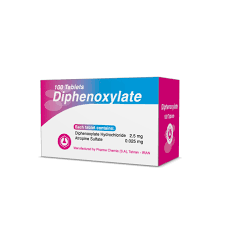
Diphenoxylate Atropine is a medication that is primarily used to treat diarrhea. It is a combination of two drugs, diphenoxylate, which is an opioid, and atropine, which is an anticholinergic. This combination helps to slow down the movement of the intestines, reduce bowel movements, and relieve symptoms of diarrhea.
Uses
Diphenoxylate Atropine is commonly prescribed for the treatment of acute and chronic diarrhea. It works by decreasing the frequency and urgency of bowel movements, as well as reducing the amount of water and electrolytes lost through the stool. This medication is particularly useful in cases of diarrhea caused by infection, irritable bowel syndrome, or inflammatory bowel disease.
Benefits
The main benefit of Diphenoxylate Atropine is the relief it provides from the uncomfortable symptoms of diarrhea. By slowing down the movement of the intestines, it helps to normalize bowel function and reduce the frequency and urgency of bowel movements. This can significantly improve the quality of life for individuals suffering from chronic diarrhea.
Side Effects
Like any medication, Diphenoxylate Atropine can cause side effects. Common side effects include dizziness, drowsiness, headache, dry mouth, blurred vision, and constipation. These side effects are usually mild and temporary, but if they persist or worsen, it is important to consult a healthcare professional. In rare cases, more serious side effects such as allergic reactions, difficulty urinating, or irregular heartbeat may occur. If any of these occur, immediate medical attention should be sought.
Warnings
There are several important warnings to consider when taking Diphenoxylate Atropine. It may not be suitable for individuals with certain medical conditions, such as liver disease, glaucoma, or urinary retention. It is important to disclose all relevant medical information to your healthcare provider before starting this medication. Additionally, Diphenoxylate Atropine can interact with other medications, particularly those that depress the central nervous system, such as opioids or sedatives. It is important to inform your healthcare provider of all medications you are currently taking to avoid potential drug interactions.
This medication should not be taken in larger doses or for longer than prescribed, as it can lead to dependence or addiction. It is important to follow the prescribed dosage and duration of treatment as directed by your healthcare provider. If you have any concerns or questions about the use of Diphenoxylate Atropine, it is always best to consult with a healthcare professional.
FAQs
No, Diphenoxylate Atropine is most effective for the treatment of acute and chronic diarrhea caused by certain conditions such as infection, irritable bowel syndrome, or inflammatory bowel disease. It may not be suitable for other types of diarrhea, so it is important to consult with a healthcare professional for an accurate diagnosis and appropriate treatment.
This medication is generally not recommended for use in children under the age of 2. It may be prescribed for older children, but the dosage will be determined by the healthcare provider based on the child’s age, weight, and medical condition.
Pregnant women should consult with their healthcare provider before taking Diphenoxylate Atropine. The potential risks and benefits of using this medication during pregnancy should be carefully evaluated by a healthcare professional.
While the opioid component of Diphenoxylate Atropine can potentially lead to dependence or addiction, when used as prescribed, the risk is relatively low. It is important to follow the prescribed dosage and duration of treatment to minimize the risk of dependence.
The long-term use of Diphenoxylate Atropine should be carefully evaluated by a healthcare professional. It is generally not recommended for prolonged use, as it may lead to dependence or tolerance. However, in certain cases, such as chronic diarrhea associated with specific medical conditions, a healthcare provider may determine that long-term use is necessary.