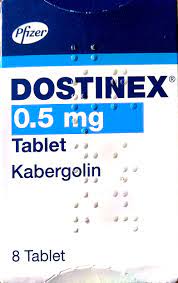
Dostinex is a medicine that has been in use for medical purposes for many years. The drug is primarily used to treat hyperprolactinemia, a condition where there is an excessive amount of prolactin in the blood. An increase in prolactin levels can result in a range of health problems, including infertility, gynecomastia, or breast milk production in men, and irregular menstrual periods and reduced fertility in women. Dostinex has been effective at reducing prolactin levels in both men and women. Here is an overview of what you need to know about Dostinex:
Uses
As mentioned earlier, Dostinex is primarily used for the treatment of hyperprolactinemia. However, the medicine has other uses that have been discovered over time. Dostinex has been used to treat Parkinson’s disease, where it has been found to help in reducing tremors. In addition, Dostinex has also been used to prevent complications associated with delivery, such as lactation in women who are not breastfeeding their babies.
Benefits
The primary benefit of Dostinex is that it helps to reduce prolactin levels significantly. The drug has shown to be reliable in treating the symptoms of hyperprolactinemia over the course of time. Additionally, the drug can be useful in reducing or even eliminating the effects of some of the complications of hyperprolactinemia, such as infertility. The drug also has the benefit of assisting patients who have conditions like Parkinson’s disease.
Side Effects
As with all medications, there can be side effects associated with the use of Dostinex. Some of these side effects include dizziness, nausea, vomiting, low blood pressure, or fainting. These symptoms are typically mild and have been known to resolve over time. Additionally, Dostinex can also cause a decrease in blood pressure and, in rare cases, affect cardiac output or the ability of the heart to pump blood properly. In this instance, people with pre-existing conditions like cardiovascular disorders or pulmonary fibrosis should be cautious when taking the medication.
Warnings
Dostinex is a prescription medication, which means that it should always be taken after medical consultation and under the supervision of a physician. Pregnant women should not use Dostinex, and the medication should not be used during breastfeeding since the drug can interfere with breast milk production. Patients with a history of heart disease or pulmonary fibrosis should exercise caution, as should those who are taking other medications that lower blood pressure, such as alpha-blockers.
FAQs About Dostinex
The active ingredient in Dostinex is cabergoline.
Dostinex takes about 6 to 8 weeks to start reducing prolactin levels.
In rare instances, Dostinex can cause weight loss, and the medication can only target weight gain reduction in that circumstance.
It is never a good idea to consume alcohol while taking any medication, and this is true with Dostinex.
While not a known side effect of Dostinex, hair loss can be due to an underlying medical condition. Always check with a doctor if experiencing hair loss or any other unusual symptoms.
Conclusion
In conclusion, Dostinex is a medication used primarily for treating hyperprolactinemia, and it helps reduce prolactin levels in the blood, thereby normalizing the hormonal balance of the body. The drug has other uses, including the treatment of Parkinson’s disease and the prevention of lactation in women who are not breastfeeding their children. While there are side effects associated with the use of Dostinex, they are generally mild and can resolve over time. As always, it is important to consult with a physician before beginning the use of any medication.






