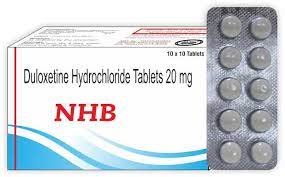
Duloxetine is a medication that is primarily used to treat depression, anxiety, and certain types of pain. It belongs to a class of drugs called selective serotonin and norepinephrine reuptake inhibitors (SNRIs). In this article, we will explore the uses, benefits, side effects, and warnings associated with duloxetine.
Uses
Duloxetine is commonly prescribed to treat major depressive disorder, generalized anxiety disorder, and fibromyalgia. It is also useful in managing chronic pain caused by conditions such as diabetic neuropathy, osteoarthritis, and chronic back pain. Additionally, duloxetine can be helpful in relieving certain types of nerve pain, including peripheral neuropathy, which is often experienced by individuals with diabetes.
Benefits
One of the primary benefits of duloxetine is its ability to improve mood and alleviate symptoms of depression and anxiety. It works by increasing the levels of serotonin and norepinephrine in the brain, which are neurotransmitters responsible for regulating mood. Duloxetine also helps reduce pain sensations by blocking the reuptake of these neurotransmitters in the brain and spinal cord.
For individuals suffering from fibromyalgia, duloxetine has been found to reduce pain and improve overall quality of life. It can also provide relief to those with chronic pain conditions, allowing them to engage in daily activities more comfortably.
Side Effects
As with any medication, duloxetine carries the risk of side effects. These can include nausea, dry mouth, dizziness, drowsiness, constipation, and decreased appetite. It is essential to remember that not everyone will experience these side effects, and they usually diminish with time as the body adjusts to the medication.
There are also some less common but more serious side effects associated with duloxetine. These can include suicidal thoughts, allergic reactions, liver problems, and elevated blood pressure. If any of these severe side effects occur, it is crucial to seek medical help immediately.
Warnings
Before starting duloxetine, it is important to inform your healthcare provider about any preexisting medical conditions or allergies you may have. Additionally, disclose all the medications, including over-the-counter drugs and herbal supplements, you are currently taking. Duloxetine should not be taken with or within 14 days of discontinuing a monoamine oxidase inhibitor (MAOI) due to the risk of serotonin syndrome, a potentially life-threatening condition characterized by agitation, hallucinations, rapid heartbeat, fever, tremors, etc.
If you are pregnant or planning to become pregnant, it is advisable to discuss the risks and benefits of using duloxetine with your doctor. It is currently unclear whether this medication can cause harm to an unborn baby. Similarly, nursing mothers are advised to consult their healthcare provider before using duloxetine, as it may pass into breast milk.
Frequently Asked Questions (FAQs)
Weight changes, including both weight loss and weight gain, have been reported as side effects of duloxetine. However, it does not occur in all users and tends to be more common in long-term use.
The effects of duloxetine may not be immediately noticeable, and it can take a few weeks to feel its full benefits. It is important to continue taking the medication as prescribed, even if you do not notice immediate improvements.
Duloxetine is not considered to be an addictive medication. However, it is essential to follow the prescribed dosage and avoid abruptly discontinuing the medication without consulting your doctor.
Taking duloxetine at night can sometimes cause sleep disturbances or insomnia. It is generally recommended to take the medication in the morning or as advised by your healthcare provider.
Alcohol should be avoided while taking duloxetine, as it can increase the risk of liver damage and may worsen the side effects of the medication.
In conclusion, duloxetine is a versatile medication that offers relief for individuals with depression, anxiety, certain pain disorders, and fibromyalgia. However, it is important to be aware of the potential side effects and any warnings associated with its use. Always consult with your healthcare provider to determine if duloxetine is the appropriate treatment option for your specific condition.