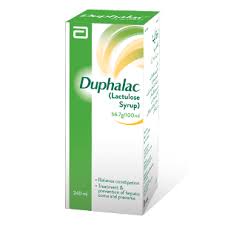
Uses:
Duphalac is a medication primarily used to treat constipation. It is a type of laxative that works by increasing the water content and volume of stools, making them easier to pass. Duphalac is also sometimes prescribed to patients with hepatic encephalopathy, a condition characterized by the accumulation of toxins in the blood due to liver problems.
Benefits:
The main benefit of Duphalac is its ability to relieve constipation. It is often recommended for individuals who have difficulty passing stools or experience infrequent bowel movements. Duphalac works gently and effectively, providing relief without causing discomfort or urgency. Additionally, Duphalac helps improve symptoms of hepatic encephalopathy by reducing the levels of ammonia in the blood, which can alleviate confusion, drowsiness, and other associated symptoms.
Side Effects:
While Duphalac is generally well-tolerated, some individuals may experience mild side effects. These can include bloating, flatulence, stomach cramps, and diarrhea. These side effects are usually temporary and resolve on their own as the body adjusts to the medication. However, if these symptoms persist or worsen, it is important to consult a healthcare professional.
Warnings:
Duphalac should not be used by individuals who are allergic to lactulose, the active ingredient in the medication. It is important to inform your healthcare provider of any allergies or medical conditions before starting Duphalac. Additionally, Duphalac should not be used as a long-term solution for constipation without consulting a healthcare professional. If symptoms persist or worsen, it is important to seek medical advice. Pregnant or breastfeeding individuals should also consult their healthcare provider before using Duphalac.
Frequently Asked Questions (FAQs)
Duphalac typically takes 24 to 48 hours to produce a bowel movement. However, the time may vary based on individual factors such as metabolism and the severity of constipation.
Duphalac is commonly used for children as a gentle and effective treatment for constipation. However, it is important to follow the dosage instructions provided by a healthcare professional and consult a pediatrician before administering the medication to children.
Duphalac generally does not interact with other medications. However, it is important to inform your healthcare provider about all the medications, including over-the-counter and herbal supplements, that you are taking to avoid any potential interactions.
No, Duphalac is not intended for weight loss purposes. It is a laxative primarily used to relieve constipation and manage hepatic encephalopathy. Using Duphalac for weight loss without medical supervision is not recommended and may lead to potential risks and complications.
There are no specific dietary restrictions while taking Duphalac. However, it is important to maintain a healthy and balanced diet, rich in fiber and fluids, to support regular bowel movements and overall digestive health.