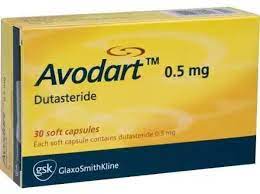
Dutasteride is a medication that is primarily used to treat enlarged prostate gland in men, a condition known as benign prostatic hyperplasia (BPH). It belongs to a class of drugs called 5-alpha-reductase inhibitors, which work by reducing the production of a hormone called dihydrotestosterone (DHT) in the body. DHT is responsible for the growth of the prostate gland, and when its levels are decreased, the prostate gland shrinks, allowing for easier urine flow.
Uses
Dutasteride is primarily prescribed to treat symptoms of benign prostatic hyperplasia (BPH) such as frequent urination, difficulty starting and maintaining urination, and weak urine flow. It effectively improves urinary symptoms and reduces the risk of urinary blockage and the need for surgery due to an enlarged prostate.
Benefits
The use of dutasteride provides several benefits for individuals with an enlarged prostate. It helps relieve symptoms such as reduced urine flow and the urgency to urinate. By lowering the risk of urinary blockage, it reduces the potential for kidney damage and other related complications. Additionally, dutasteride has also shown potential in preventing prostate cancer in certain cases, although further research is still ongoing to confirm its effectiveness for this purpose.
Side Effects
While dutasteride is generally well-tolerated, there are some potential side effects that users should be aware of. These side effects may include decreased sexual desire, difficulty achieving or maintaining an erection, and a decrease in semen volume. In some cases, dutasteride may also lead to breast enlargement or tenderness. It is important to note that these side effects are not experienced by everyone and may vary in severity among different individuals. If any of these side effects become bothersome or persistent, it is advisable to consult a healthcare professional.
Warnings
Before starting dutasteride, it is crucial to inform your doctor about any pre-existing medical conditions or allergies you have, as well as any other medications you may be taking. Dutasteride is not recommended for use in women, especially those who are pregnant or planning to become pregnant, as it may cause harm to a developing fetus. In rare cases, dutasteride may also lead to an allergic reaction, characterized by hives, difficulty breathing, or swelling of the face, lips, tongue, or throat. If such symptoms occur, immediate medical attention should be sought.
FAQs
No, dutasteride is not approved for the treatment of male pattern baldness. It is specifically indicated for the treatment of enlarged prostate gland.
It is not advisable to stop taking dutasteride without consulting your doctor, even if your symptoms improve. Your doctor will determine the appropriate duration for your treatment based on your specific condition.
Yes, dutasteride may interact with certain medications. It is important to inform your doctor about all the medications you are taking to avoid any potential drug interactions.
Dutasteride has shown potential in reducing the risk of prostate cancer. However, it is crucial to discuss your individual risk factors with your doctor to determine the most appropriate course of action.
It is recommended to wait at least six months after stopping dutasteride before donating blood, as the medication can affect the results of certain blood tests.






.)