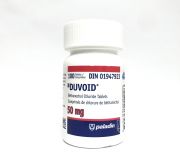
Duvoid is a prescription medication used to treat various bladder conditions such as neurogenic bladder and non-obstructive urinary retention. The active ingredient in Duvoid is bethanechol chloride, which is a cholinergic agonist that stimulates the bladder muscles to contract, helping to improve bladder function.
Uses of Duvoid:
Duvoid is primarily used to treat bladder dysfunctions. Some of the common uses of Duvoid include:
- Neurogenic bladder
- Non-obstructive urinary retention
- Atonic bladder
- Postoperative urinary retention
- Chronic urinary tract infection
- Bladder dysfunction
Benefits of Duvoid:
Duvoid works by stimulating the bladder muscles to contract, which helps to empty the bladder more effectively. This medication has been shown to be effective in treating various bladder dysfunctions, improving symptoms such as the need to urinate frequently, urgency, and difficulty emptying the bladder.
The benefits of taking Duvoid include:
- Improved bladder function
- Decreased frequency of urination
- Decreased urgency to urinate
- Improved ability to empty the bladder
- Reduced risk of urinary tract infections
Side Effects of Duvoid:
As with any medication, Duvoid may cause side effects. These can include:
- Abdominal cramps
- Nausea and vomiting
- Increased salivation
- Sweating
- Flushing
- Runny nose
- Headache
- Dizziness
- Dry mouth
- Blurred vision
In rare cases, Duvoid may cause more serious side effects such as chest pain, irregular heartbeat, difficulty breathing, and seizures. If you experience any of these symptoms, seek medical attention immediately.
Before taking Duvoid, it is important to inform your doctor of any allergies you may have, as well as any medical conditions you have or medications you are taking. Duvoid may interact with other medications, causing adverse reactions. It is particularly important to inform your doctor if you are taking medications for high blood pressure, asthma, or heart conditions.
Duvoid should be used with caution in patients with the following conditions:
- Coronary artery disease
- Asthma
- Epilepsy
- Hyperthyroidism
- Peptic ulcer
- Bladder outlet obstruction
- Gastrointestinal disease
Duvoid may cause dizziness and vision changes, so it is important to avoid driving or operating heavy machinery until you know how the medication affects you.
In conclusion, Duvoid is a medication used to treat various bladder conditions. While it can be effective in improving bladder function, it may cause side effects and interact with other medications. It is important to inform your doctor of any medical conditions or medications you are taking before starting Duvoid. If you experience any adverse reactions while taking Duvoid, seek medical attention immediately.
FAQs
There is not enough research to determine whether Duvoid is safe for pregnant women. If you are pregnant or planning to become pregnant, consult with your doctor before taking Duvoid.
The effects of Duvoid usually start within 30 minutes to an hour after taking the medication.
Duvoid can be taken with or without food.
The effects of Duvoid typically last for several hours, but the medication may stay in your system for up to 24 hours.
Duvoid is not indicated for the treatment of urinary incontinence. It is primarily used to treat bladder dysfunctions such as neurogenic bladder and non-obstructive urinary retention.