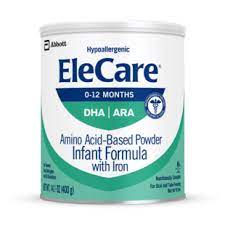
Elecare Infant Formula is a specialized nutritional product designed to meet the dietary needs of infants who are unable to tolerate regular baby formulas. It is formulated to provide essential nutrients for healthy growth and development while minimizing the risk of allergic reactions. This article explores the uses, benefits, side effects, and warnings associated with Elecare Infant Formula.
Uses
Elecare Infant Formula is primarily used for infants with severe food allergies, such as those with cow’s milk protein allergy, soy protein allergy, or multiple food protein intolerance. It is also recommended for infants with conditions that affect their ability to digest and absorb nutrients properly, such as short bowel syndrome, malabsorption disorders, and gastrointestinal disorders.
The formula is lactose-free, hypoallergenic, and contains amino acids, which are the building blocks of protein. By providing essential nutrients in a form that is easily digested and absorbed, Elecare helps infants receive the nutrition they need to thrive.
Benefits
Elecare Infant Formula offers several benefits for infants with specific nutritional needs. It provides a complete source of nutrition, including proteins, carbohydrates, fats, vitamins, and minerals. The formula is also fortified with docosahexaenoic acid (DHA) and arachidonic acid (ARA), which are essential for brain and eye development.
Furthermore, Elecare is free from common allergens, such as cow’s milk, lactose, and soy. This reduces the risk of allergic reactions and gastrointestinal discomfort in infants with food allergies or intolerances. By ensuring proper nutrition, Elecare helps support overall growth, development, and immune function in infants who cannot tolerate regular infant formulas.
Side Effects
While Elecare Infant Formula is generally well-tolerated, some infants may experience side effects. These can include constipation, diarrhea, gas, bloating, and stomach discomfort. If these symptoms persist or worsen, it is important to consult a healthcare professional for further evaluation.
In rare cases, allergic reactions may occur, manifesting as hives, swelling of the face, lips, or tongue, difficulty breathing, or wheezing. If any signs of an allergic reaction are observed, immediate medical attention should be sought.
Warnings
It is important to follow the recommended dosage and preparation instructions provided by the healthcare professional or on the packaging. Using an incorrect amount of formula or improper preparation can lead to nutritional imbalances or inadequate caloric intake.
Infants with severe allergies, especially those with a history of anaphylactic reactions, should be closely monitored when starting Elecare Infant Formula. Any signs of an allergic reaction should be addressed promptly by a healthcare professional. In some cases, an alternative formula may be necessary.
Elecare Infant Formula is not suitable for infants with galactosemia, a rare genetic disorder that affects the body’s ability to metabolize galactose. It is important to inform healthcare providers of any existing medical conditions or allergies before initiating Elecare.
FAQs
No, Elecare Infant Formula is specifically formulated for infants with severe food allergies or specific medical conditions. It should only be used under the guidance of a healthcare professional.
Elecare is designed to provide adequate nutrition for infants, but weight gain can vary depending on individual factors. Regular monitoring of growth and development is essential to ensure the formula is meeting the specific nutritional needs of the infant.
Elecare Infant Formula is typically available by prescription only. It is important to consult a healthcare professional to determine if Elecare is the appropriate formula for your infant’s needs.
Elecare should be prepared according to the instructions provided by the manufacturer. It is typically mixed with water in a clean, sterilized bottle. It is important to follow the recommended water-to-powder ratio to ensure proper nutrition.
While Elecare is not specifically designed to address colic, its hypoallergenic and easily digestible nature may help reduce gastrointestinal discomfort in some infants, including those with colic symptoms. However, it is best to consult a healthcare professional for an accurate diagnosis and appropriate management of colic.