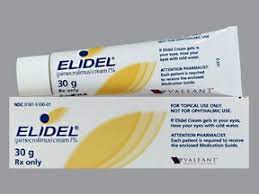
Elidel, also known as pimecrolimus, is a topical medication used to treat eczema. It is marketed by the brand name Elidel cream and is classified as an immunosuppressant drug. This article will explore the uses, benefits, side effects and warnings of Elidel.
Uses
Elidel is used to treat moderate to severe eczema (atopic dermatitis) in patients who cannot use other treatments or have not responded to them. Eczema is a chronic skin condition that causes redness, itching, and scaly patches. It is caused by a combination of environmental and genetic factors, and the condition is thought to be related to the immune system.
Elidel works by inhibiting the activation of immune cells and the release of inflammatory mediators, which are responsible for the symptoms of eczema. It reduces the inflammation in the skin and improves the symptoms of eczema, such as itching and redness.
Benefits
One of the main benefits of Elidel is that it is a non-steroidal treatment for eczema, which means it does not have the same side effects as steroid creams and ointments. Steroid creams can cause thinning of the skin, stretch marks, and increased vulnerability to skin infections. Elidel is considered safer for long-term use than steroid creams and may be a preferred treatment for patients with sensitive skin or children with eczema.
Elidel is also effective for treating eczema on the face and neck, areas that are sensitive and may react poorly to other treatments. It has been shown to improve the quality of life of eczema patients by reducing the severity of symptoms and helping them to manage their condition.
Side Effects
Elidel is generally well-tolerated, but like all medications, it may cause side effects in some patients. The most common side effects of Elidel are burning or stinging at the site of application, which usually goes away after a few days of use. Some patients may experience itching, redness, or dryness of the skin.
Rare but serious side effects of Elidel include the risk of bacterial and viral infections, including herpes simplex virus (HSV) and varicella-zoster virus (VZV). In clinical trials, there have been reports of lymphoma and skin cancer associated with the use of Elidel, but the risk is thought to be very low.
Warnings
Elidel is not recommended for patients with an active bacterial or viral infection, such as chickenpox or herpes, or those with a weakened immune system. It should not be used on open wounds or damaged skin.
Patients should avoid exposure to natural or artificial sunlight, including tanning beds, while using Elidel, as it may increase the risk of sunburn and skin cancer. Elidel should be used with caution in patients with a history of skin cancer or atypical moles, as well as those with a family history of skin cancer.
FAQs
It may take several weeks to see improvement in eczema symptoms with Elidel. Patients should follow their doctor’s instructions for use and avoid stopping treatment without consulting their doctor.
Elidel should be applied twice daily to the affected areas of the skin. Patients should avoid applying more than the recommended amount or using it for longer than prescribed.
There is limited data on the safety of Elidel during pregnancy and breastfeeding, and it should only be used if the benefits outweigh the risks. Patients should talk to their doctor before using Elidel if they are pregnant or breastfeeding.
Elidel is approved for use in children as young as 2 years old for the treatment of eczema. Parents should follow their doctor’s instructions for use and monitor their child for any side effects.
Elidel is a prescription medication and may be covered by insurance. Patients should check with their insurance provider to determine coverage and co-payments.






