Uses
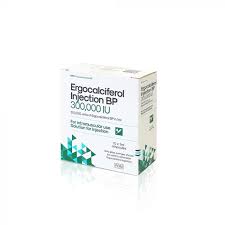
Ergocalciferol, a synthetic form of vitamin D2, is primarily used to treat and prevent vitamin D deficiency. It helps the body absorb and utilize calcium and phosphorus, which are essential for maintaining healthy bones. Additionally, ergocalciferol may be prescribed to treat conditions such as hypoparathyroidism, renal osteodystrophy, and certain types of rickets.
Benefits
The main benefit of ergocalciferol is its ability to prevent and treat vitamin D deficiency. Adequate levels of vitamin D are crucial for overall bone health, as they promote calcium absorption and utilization. Ergocalciferol can also help regulate the immune system, support cardiovascular health, and assist in muscle function. It is particularly beneficial for individuals who have limited sun exposure, suffer from malabsorption disorders, or follow strict vegetarian or vegan diets.
Side Effects
While ergocalciferol is generally well-tolerated, there are potential side effects that may occur. Common side effects include nausea, vomiting, constipation, stomach pain, and headache. These symptoms usually subside as the body adjusts to the medication. However, if any of these side effects persist or worsen, it is important to notify your healthcare provider promptly. In rare cases, allergic reactions like rash, itching, or swelling of the face, tongue, or throat may occur. If any such symptoms manifest, seek immediate medical attention.
Warnings
Certain precautions need to be taken with ergocalciferol. Before starting this medication, inform your doctor about any pre-existing medical conditions, especially if you have liver or kidney disease, heart problems, high levels of vitamin D or calcium in your blood, or malabsorption issues. It is important to disclose all the medications you are currently taking, including prescription, over-the-counter drugs, and herbal supplements, as they may interact with ergocalciferol. Additionally, pregnant or breastfeeding women should consult their healthcare provider before taking this medication.
FAQs
Ergocalciferol is taken orally as directed by your healthcare provider. Dosage and frequency will be determined based on your specific condition and individual needs.
Before starting ergocalciferol, it is crucial to inform your doctor about all medications you are currently taking. Certain medications, such as antacids, corticosteroids, and diuretics, may interact with ergocalciferol and affect its efficacy.
No specific dietary restrictions are necessary while taking ergocalciferol. However, it is recommended to follow a balanced and nutritious diet that includes foods rich in calcium and phosphorus to support optimal bone health.
The time it takes to see results may vary depending on the individual and the underlying condition being treated. It is important to consistently follow your prescribed dosage and maintain regular check-ups with your healthcare provider to monitor progress.
Ergocalciferol should be stored at room temperature, away from moisture and direct sunlight. Always check the packaging or consult your pharmacist for specific storage instructions.
conclusion
In conclusion, ergocalciferol is a synthetic form of vitamin D2 used to treat and prevent vitamin D deficiency, promote bone health, and assist in various bodily functions. While side effects are generally mild and rare, it is crucial to follow dosage instructions and notify your healthcare provider of any concerns. As with any medication, it is important to consult your doctor before starting ergocalciferol to ensure its compatibility with your health condition and other medications.