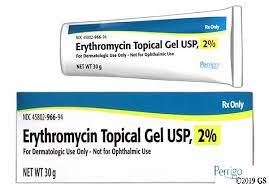
Erygel Topical is a medication that is used to treat a variety of skin conditions. It contains erythromycin, which is an antibiotic that helps to kill bacteria on the skin. This article will discuss the uses, benefits, side effects, and warnings associated with Erygel Topical.
Uses
Erygel Topical is primarily used to treat acne. It works by reducing the number of acne-causing bacteria on the skin, which helps to prevent breakouts. This medication is commonly prescribed for individuals with moderate to severe acne, as it can provide effective relief when other treatments have failed.
In addition to acne, Erygel Topical can also be used to treat other skin conditions such as rosacea and folliculitis. It helps to reduce inflammation and redness associated with these conditions, providing relief from symptoms.
Benefits
The main benefit of using Erygel Topical is its effectiveness in treating acne. It can help to clear existing acne lesions and prevent new ones from forming. This can lead to improved skin appearance and increased self-confidence.
Another benefit of Erygel Topical is its ease of use. It comes in a gel form, which makes it easy to apply to the affected areas of the skin. The gel is quickly absorbed, leaving no residue or greasy feeling.
Side Effects
Like any medication, Erygel Topical may cause side effects in some individuals. However, not everyone will experience these side effects, and they are typically mild and temporary. Common side effects may include:
1. Skin dryness or peeling
2. Burning or stinging sensation
3. Itching or irritation
4. Redness or swelling
If any of these side effects persist or worsen, it is important to consult a healthcare professional for further guidance.
Warnings
Before using Erygel Topical, it is important to inform your healthcare provider about any allergies you may have, especially to erythromycin or other antibiotics. It is also essential to disclose any medical conditions you have, including liver or kidney disease, as well as any medications or supplements you are currently taking.
It is crucial to follow the instructions provided by your healthcare professional and use Erygel Topical as directed. Avoid applying this medication to broken or irritated skin, as it may cause further irritation or infection. If the gel accidentally gets into your eyes, rinse them thoroughly with water.
If you experience any severe side effects such as severe skin irritation, rash, or difficulty breathing, seek immediate medical attention.
FAQs
It is important to consult your healthcare provider before using Erygel Topical during pregnancy or breastfeeding, as it may not be safe for use in these situations.
The effectiveness of Erygel Topical can vary from person to person. It may take several weeks to see significant improvement in acne symptoms.
Erygel Topical may cause skin dryness or irritation, especially in individuals with sensitive skin. If you experience excessive irritation, it is recommended to discontinue use and consult a healthcare professional.
It is important to consult your healthcare provider before using Erygel Topical with other acne medications, as they may interact with each other. Your healthcare provider will determine the most suitable treatment plan for you.
Erygel Topical is generally not recommended for use in children under the age of 12. It is important to consult a healthcare professional for appropriate treatment options for children with skin conditions.