Uses
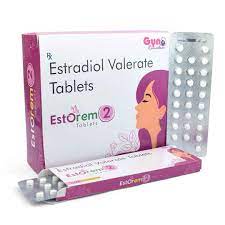
Estradiol is a medication that belongs to a group of hormones known as estrogen. It is primarily used to treat symptoms associated with menopause, such as hot flashes, vaginal dryness, and night sweats. Additionally, Estradiol is prescribed to prevent osteoporosis in postmenopausal women and to replace estrogen in women with ovarian failure or other conditions that cause a lack of natural estrogen production.
Benefits
Estradiol provides numerous benefits to women experiencing symptoms of menopause. It helps alleviate hot flashes, night sweats, and vaginal dryness, which can significantly improve a woman’s quality of life. By replacing estrogen, Estradiol also helps prevent bone loss, reducing the risk of fractures and osteoporosis in postmenopausal women. Additionally, Estradiol may be prescribed to ease symptoms related to certain hormonal imbalances or to support fertility treatments.
Side Effects
Like any medication, Estradiol can have side effects, although not everyone experiences them. Common side effects include breast tenderness, nausea, vomiting, bloating, headache, and mood changes. In some cases, Estradiol may cause more severe side effects such as chest pain, sudden shortness of breath, vision changes, unusual vaginal bleeding, or signs of liver problems (e.g., yellowing of the skin or eyes, dark urine). If any of these symptoms occur, it is important to seek immediate medical attention.
Warnings
Before taking Estradiol, it is essential to inform your healthcare provider about any existing medical conditions, as well as any medications or supplements you are currently taking. Estradiol should not be used by individuals with a history of certain cancers (e.g., breast cancer), blood clotting disorders, liver disease, or allergic reactions to estrogen. It is crucial to attend regular check-ups while using Estradiol to monitor any potential side effects or changes in your health. Additionally, Estradiol should not be used during pregnancy or while breastfeeding, as it may harm the baby.
FAQs
Estradiol is primarily prescribed for women, especially those experiencing menopause symptoms or other estrogen-related conditions. However, in some cases, Estradiol may be prescribed to men for certain medical conditions. It is important to consult with a healthcare professional to determine the appropriate use of Estradiol in men.
Estradiol is available in various forms, including tablets, patches, gels, creams, and injections. The dosage and administration method will depend on your specific condition and the recommendation of your healthcare provider. Always follow the instructions provided by your doctor or pharmacist and do not exceed the prescribed dose.
Weight gain is a possible side effect of Estradiol, although it does not affect everyone. If you experience weight gain while taking Estradiol, it is important to maintain a healthy lifestyle by eating a balanced diet and engaging in regular physical activity.
Estradiol can interact with certain medications, including aromatase inhibitors, tamoxifen, blood thinners, and thyroid medications. It is crucial to inform your healthcare provider about all the medications you are taking to avoid potential interactions. They will be able to determine if any adjustments need to be made to your medication regimen.
Estrogen replacement therapy, including the use of Estradiol, may slightly increase the risk of certain cancers, such as breast and ovarian cancer. However, the overall risk is considered low, and the benefits of Estradiol often outweigh the potential risks. It is important to discuss your individual risk factors with your healthcare provider before starting Estradiol therapy.